The Call for Presentations for the 2027 STFM Annual Spring Conference (May 1–5, 2027 in Chicago, IL) is CLOSED. The Call for Fellow, Resident, Student Research Completed or Works-in-Progress Posters will open in late 2026.
Submission Templates for Presenters
Use these templates to guide your submissions and prepare your presentations before the conference:
- Fellow, Resident, Student Research Completed or Works-in-Progress Posters
- Completed Scholarly Project Poster
- Completed Research Poster
- Faculty Works-in-Progress Poster
- Completed Scholarly Project
- Completed Research Project
- Lecture Discussion
- Seminar
- Panel Discussion
- Workshop
- Preconference Workshop
- Scholarly Topic Roundtable Discussions
Session Formats: Workshops, Panels, Seminars, Lectures, Projects, and Roundtable Discussions
Preconference Workshop
Purpose: Interactive, skill-building session that occurs the day before the conference begins. Content requires more time than the other conference formats allow.
NOTE: If your workshop will be sponsored by an outside (non-STFM) group, organization, or other funder, the sponsor information will be required on the submission form.
Time: 4 hours
Workshop
Purpose: A task-oriented, small group educational experience directed toward the acquisition, demonstration, construction, and/or synthesis of specific knowledge, skills, and/or attitudes
Time: 90 minutes
Panel Discussion
Purpose: A moderated, interactive session with 3–5 knowledgeable panelists to engage participants in discussion about an innovative or provocative topic in family medicine education. It is NOT intended to be a series of "mini presentations".
Time: 60 minutes
Seminar
Purpose: An interactive session focusing on dissemination and discussion of an innovative educational, administrative, research, career development, or clinical topic. Submission must demonstrate plan for active audience engagement.
Time: 60 minutes
Lecture Discussion
Purpose: 30-minute session focusing on dissemination and discussion of an innovative topic related to education, administration, research, career development, or clinical practice improvement.
Required elements
- Reportable outcomes for dissemination
- Submission describes use of interactive teaching methods to be applied in the session
- Examples include outcomes of a curricular innovation or a clinical project that improved learner knowledge or practice outcomes, or an intervention that created an opportunity to meet educational needs or well-being
Note: Projects still in progress at the time of submission (not at the time of presentation) are most appropriate for the Poster category. New ideas can be submitted in the Scholarly Roundtable category.
Time: 30 minutes for discussion
Completed Research Project
Purpose: These sessions focus on research submissions that critically evaluate and test completed interventions in education, process of care, patient-oriented outcomes, and quality of care. Submissions must include purpose, methods, results, and conclusions.
Time: 15 minutes; 10 minutes for presentation, 5 minutes for discussion (multiple presentations grouped by topic and presented consecutively in each session)
Completed Project
Purpose: Briefly describes implementation and outcomes of a completed innovative educational, administrative, career development, or clinical program/project.
Time: 13 minutes; 10 minutes for presentation, 3 minutes for discussion (multiple presentations grouped by topic and presented consecutively in each session)
Scholarly Topic Roundtable Discussions
Purpose: Small group, interactive opportunity for 10 participants to share ideas, experiences, or projects pertinent to family medicine education, clinical care, research, or management. Presenters will briefly introduce their topic and then facilitate interaction between the participants to enhance knowledge and generate ideas. Occurs concurrently with other discussions during a 60-minute breakfast in the general session ballroom. If this is a completed project or program, please describe measurement methods and results completed at the time of submission.
Time: 50 minutes (including breakfast)
Session Formats: Poster Presentations
Completed Project Poster
Purpose: To present results of a completed innovative educational or curricular project pertinent to family medicine. Ongoing projects may also be considered if they are expected to be completed by the time of conference.
Time: 1 hour staffing your poster during dedicated time
Completed Research Poster
Purpose: An opportunity to view studies and discuss investigators’ completed original research. Submissions must include purpose, methods, results, and conclusions.
Time: 1 hour staffing your poster during dedicated time
Behavioral Science/Family Systems Educator Fellows’ Poster
Purpose: An opportunity to view fellows' year-long projects and discuss their ongoing results and outcomes.
Time: 1 hour staffing your poster during dedicated time
Emerging Leaders Fellows’ Poster
Purpose: An opportunity to view fellow’s year-long project and discuss their ongoing results and outcomes.
Time: 1 hour staffing your poster during dedicated time
Conference Hotel Information
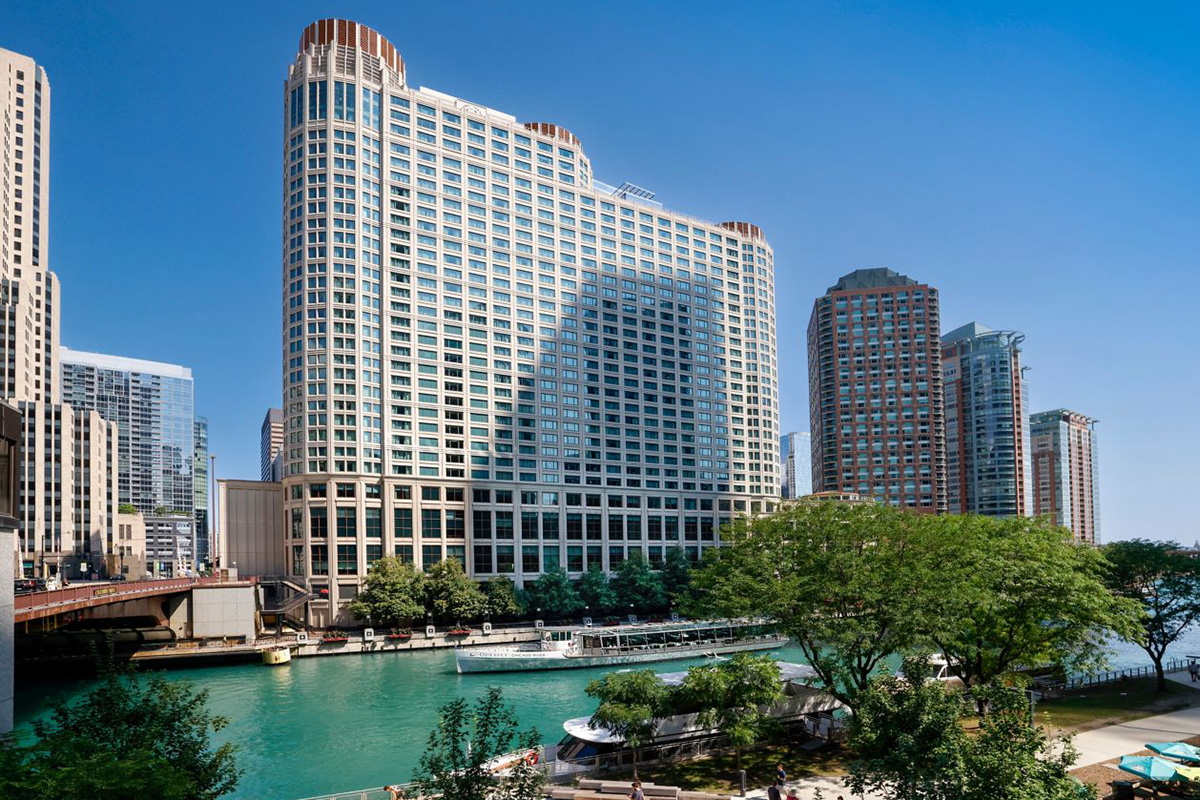
301 E. North Water StreetChicago, IL 60611
Room rate: $305* (single or double occupancy) *A portion of the room rate is used to offset general meeting expenses. Hotel reservations for STFM's group rate will open in early December.
About the Hotel: Located in the heart of the River North district, Sheraton Grand Chicago Riverwalk is an urban sanctuary amid iconic attractions in downtown Chicago. Embrace refined comfort in family-friendly hotel rooms and suites enhanced by essentials such as ultra-comfortable Sheraton Signature Sleep Experience beds and striking views of the lake, river, and Chicago cityscape. Enjoy our hotel's coveted location on Chicago's River North, near Michigan Avenue, Millennium Park, Navy Pier, and the Magnificent Mile.
Registration Rates
Early-Bird Registration Rates (By March 30, 2027)
Registration opens in December with early-bird prices:
Regular Registration Rates (After March 30)
Questions?
If you have questions about this conference, contact staff at (800) 274-7928 or the email link below.
CONTACT STAFF WITH QUESTIONS