STFM FOUNDATION
Investing in the Future of Academic Family Medicine
Celebrate STFM's 60th Anniversary
In 2027, the Society of Teachers of Family Medicine (STFM) will celebrate 60 years of advancing family medicine through a community of teachers and scholars.
To recognize this landmark anniversary and support the Society, the STFM Foundation will increase support to help more medical students, residents, and new faculty attend STFM conferences in 2027. For many, this will be their first opportunity to attend an STFM conference and connect with like-minded peers and experienced faculty who can help expand their knowledge and passion for family medicine!
By giving to the STFM Foundation’s special 60th Anniversary fund, you can help these aspiring educators write the first chapter of their academic family medicine story. You can also make a donation to this fund in honor of the mentors who supported you during the beginning of your professional journey.
The STFM Foundation is matching the first $30,000 given to this fund—so every dollar you give is worth double!
By supporting The STFM Foundation today, you're helping students, residents, and new faculty achieve their professional dreams—and during the next 60 years, they will mentor the next generation of family medicine educators.
DONATE TO THE 60TH ANNIVERSARY FUND
NOMINATE A MENTOR FOR AN AWARD
MORE ABOUT THE 60TH ANNIVERSARY CELEBRATION
Participate in the STFM Foundation’s Online Auction
Do you own a vacation home, cabin, condo, or Airbnb? You can make a meaningful impact by donating a vacation stay to the STFM Foundation to use in the upcoming 2027 Online Vacation Auction. The auction was a success in 2026 raising $14,400 to support STFM programs.
The auction opens for bidding April 1, 2027, and culminates during the 2027 Annual Spring Conference on May 3, 2027, in Chicago, IL.
Your generous contribution will help the STFM Foundation raise essential funds to support the important work of STFM all while showcasing your beautiful property to our community of supporters.
Why Donate Your Vacation Home for the Auction?
Below are some of the benefits of allowing the STFM Foundation to auction a vacation stay at your home:
- Support a Great Cause: Your donation directly benefits the STFM Foundation.
- Tax-Deductible: In most cases, your donation may be eligible for a tax deduction. Consult your tax advisor for details.
- Promote Your Property: Gain exposure among an engaged audience of your peers who may become future renters or recommend your property.
- Flexible Scheduling: You can specify available dates, blackout periods, and any property rules or restrictions.
What the STFM Foundation Is Looking For
- Vacation homes, cabins, condos, at beaches, mountains, lakes, cities, and more
- A stay of 3–7 nights is typical, but we welcome your suggestions.
- Availability for vacation stays from May 2027–May 2028 is preferable, and defined blackout dates are suggested. We can also set specific time frames if needed (such as September or October for a fall foliage vacation).
How to Participate
Contact Mindy Householder at mhouseholder@stfm.org to learn more about donating your home. Help us make this year’s auction a standout success!
Foundation-Funded Activities
Small or large, your gift creates scholarships, fellowships, and awards, allowing the STFM Foundation to provide the brightest family medicine talent with training, mentoring, and scholarship opportunities. Current Foundation-funded activities and programs include:
- Leland Blanchard Memorial Lecture
- Leadership through Scholarship Fellowship
- Emerging Leaders Fellowship
- Behavioral Science/Family Systems Educator Fellowship
- Other Inclusive Workforce Activities
Medical Student Scholarships
Since 2009, 304 students have received scholarships to attend the STFM Conference on Medical Student Education.
Faculty for Tomorrow Resident Scholarships
185 family medicine residents have received scholarships from the STFM Foundation to attend Faculty for Tomorrow Workshops at the STFM Annual Spring Conference.
New Faculty Scholars
The STFM Foundation has provided funding to support leadership training and conference attendance for 269 new family medicine faculty members.
Successful Academic Family Medicine Activities and Programs
Your contributions have helped fund:
- STFM National Clerkship Curriculum
- Faculty for Tomorrow Residents as Educators Curriculum
- Publication of the Results of the TransforMED Demonstration Project
- Leading Change Course
- Bishop Fellowship Program
- International Scholarship Program
- Program Enhancement Award
Inspiring Stories of the Impact of the STFM Foundation
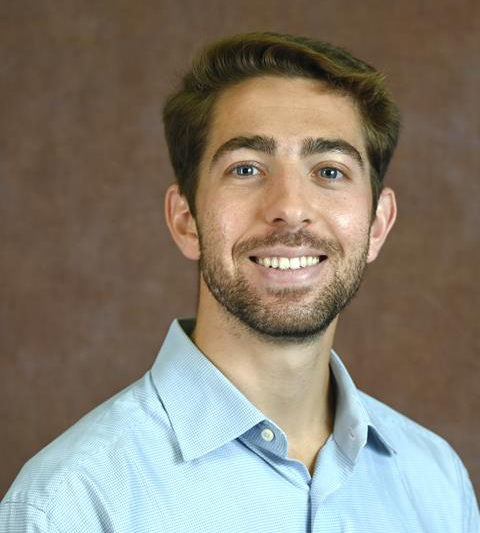
Benjamin Popokh, University of Texas Southwestern
2026 STFM Foundation Student Scholarship Recipient
I am a 4th-year medical student at the University of Texas Southwestern (UT Southwestern) Medical School. I grew up in Plano, TX, the son of hard-working immigrants who taught me the value of perseverance, community, and service. My path to medicine began with a deeply personal experience: my cousin Sasha’s battle with brain cancer. Witnessing Sasha’s courage and the dedication of his care team inspired me to pursue a career where I could combine skill and compassion for patients facing life’s most difficult moments.
At the University of Texas at Austin, I studied biology and neuroscience, served as a teaching assistant, worked as a medical assistant, and taught CPR and lifeguarding courses. Outside of academics, I embraced Austin’s vibrant outdoor culture, running along Lady Bird Lake, hiking the Hill Country, and developing a lifelong passion for outdoor exercise as both a personal outlet and a way to connect with others.
Entering medical school at UT Southwestern, I initially envisioned a specialized career in neurosurgery or oncology. But as I progressed through rotations, I found joy in far too many aspects of medicine to choose just one. From pediatrics to geriatrics, procedures to preventive care, I was drawn to the breadth of practice and long-term relationships that primary care offered. A rural family medicine rotation in Mineral Wells, TX, with Dr Shivum Agarwal, proved pivotal, showing me the impact of full-spectrum practice: managing chronic illness, delivering babies, performing procedures, and serving as a trusted presence in the community.
As a future family physician, I plan to practice full-spectrum care, including obstetrics, in rural or underserved communities. I envision a career blending clinical excellence, community leadership, advocacy, and writing, working to heal not just individuals, but the systems and communities they live in.