POCUS Faculty
Learn about the core faculty members and instructors behind the Family Medicine POCUS Certificate Program and STFM's POCUS resources.
Core Faculty Members for FM POCUS

Ryan Paulus, DO
University of North Carolina (UNC) FMR Program
Ryan Paulus, DO, is a core faculty member at the University of North Carolina (UNC) family medicine residency program. He directs the point-of-care ultrasound (POCUS) teaching for the residency and is a faculty instructor for POCUS education at the UNC medical school. Clinically, he works as a hospitalist and ER physician in a rural critical access hospital in addition to attending on the residency inpatient service.
His first exposure to POCUS was in medical school at Ohio University, but he wasn’t trained in POCUS until his time as a resident at UNC. He gained further experience by focusing on POCUS during his rural fellowship program after residency. Through networking and communication with other colleagues, Dr Paulus realized the need to develop a longitudinal training program in family medicine that focused on teaching POCUS. Combining that recognized need with his desire for POCUS and passion for teaching, the idea for the certificate program was born. Dr Paulus, who serves as the certificate program chair, hopes to create residency POCUS champions across the country with the certificate program.
Outside of work, Dr Paulus takes advantage of all the outdoor offerings North Carolina provides. He particularly enjoys heading to the mountains for hiking, camping, fly fishing, and biking or exploring new areas of North Carolina with his wife.
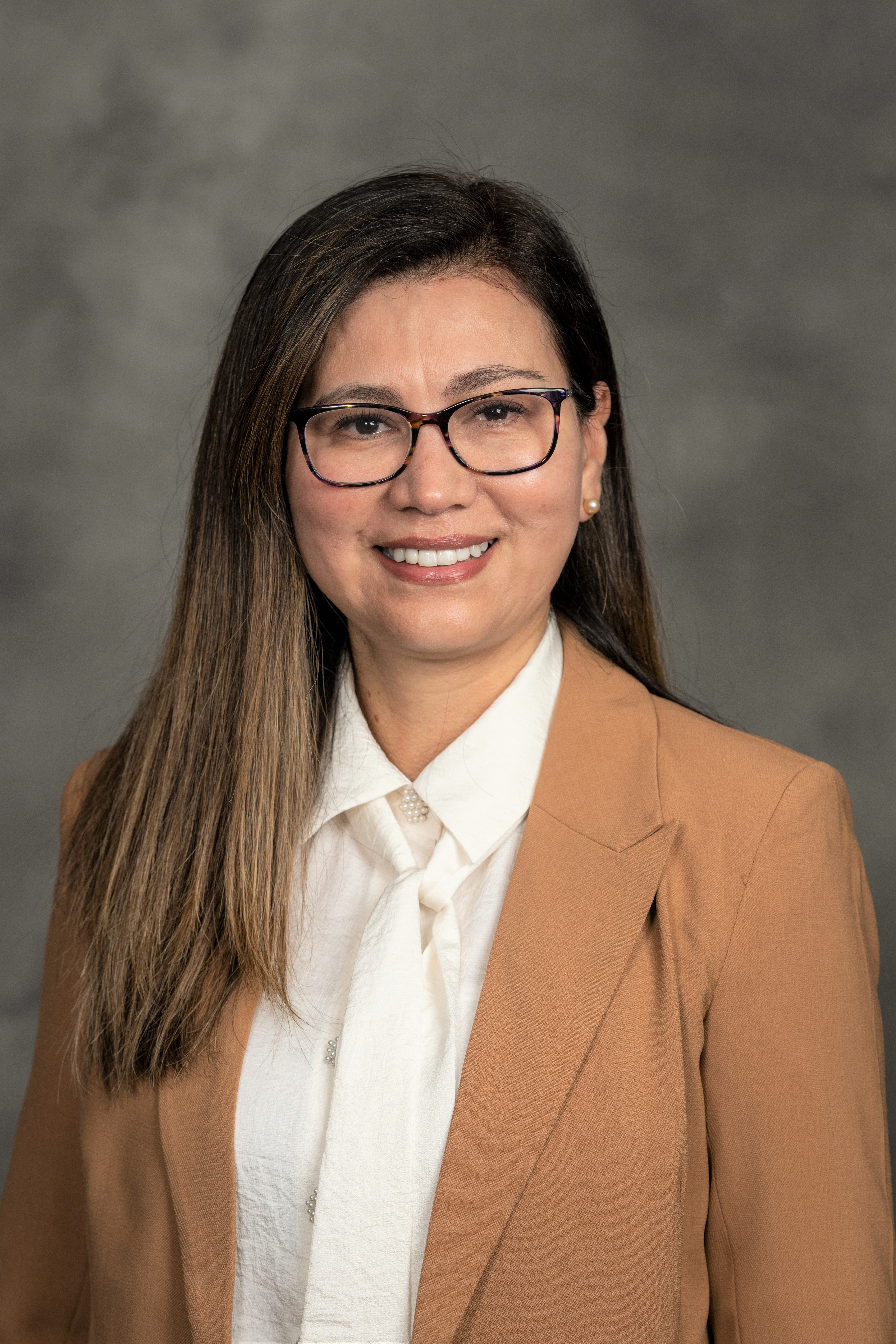
Juana Nicoll Capizzano, MD
Michigan Medicine, Family Medicine Department
Juana Nicoll Capizzano, MD, is an associate professor at Michigan Medicine, Family Medicine Department. She grew up in Lima, Peru, and graduated from medical school at Ricardo Palma University in Lima. She subsequently completed her residency in family medicine at the University of Iowa, she also completed a Fellowship in Geriatric Medicine. She practiced at the University of Iowa before moving to Ann Arbor, MI, with her family in 2018. She is Board-certified in family medicine and geriatric medicine.
Dr Capizzano completed an advanced Emergency Medicine Ultrasonography Fellowship program at Michigan Medicine in June 2021 and developed the Point of Care Ultrasound (POCUS) curriculum for family medicine residents. Dr Capizzano currently serves as the director of Family Medicine’s Clinical Ultrasound program, as well as the program director of the Advanced Primary Care Ultrasound Fellowship.
Dr Capizzano has a strong interest in POCUS education and is a POCUS advocate for family physicians and primary healthcare providers. She teaches ultrasound to medical students, residents, fellows, and faculty. She has a strong belief that POCUS can improve health care access. She has published several articles on point-of-care ultrasound.
Dr Capizzano lives in Ann Arbor, she has twin girls and two yellow labs. She enjoys spending time with her family, traveling around the world, dancing and riding her bike.
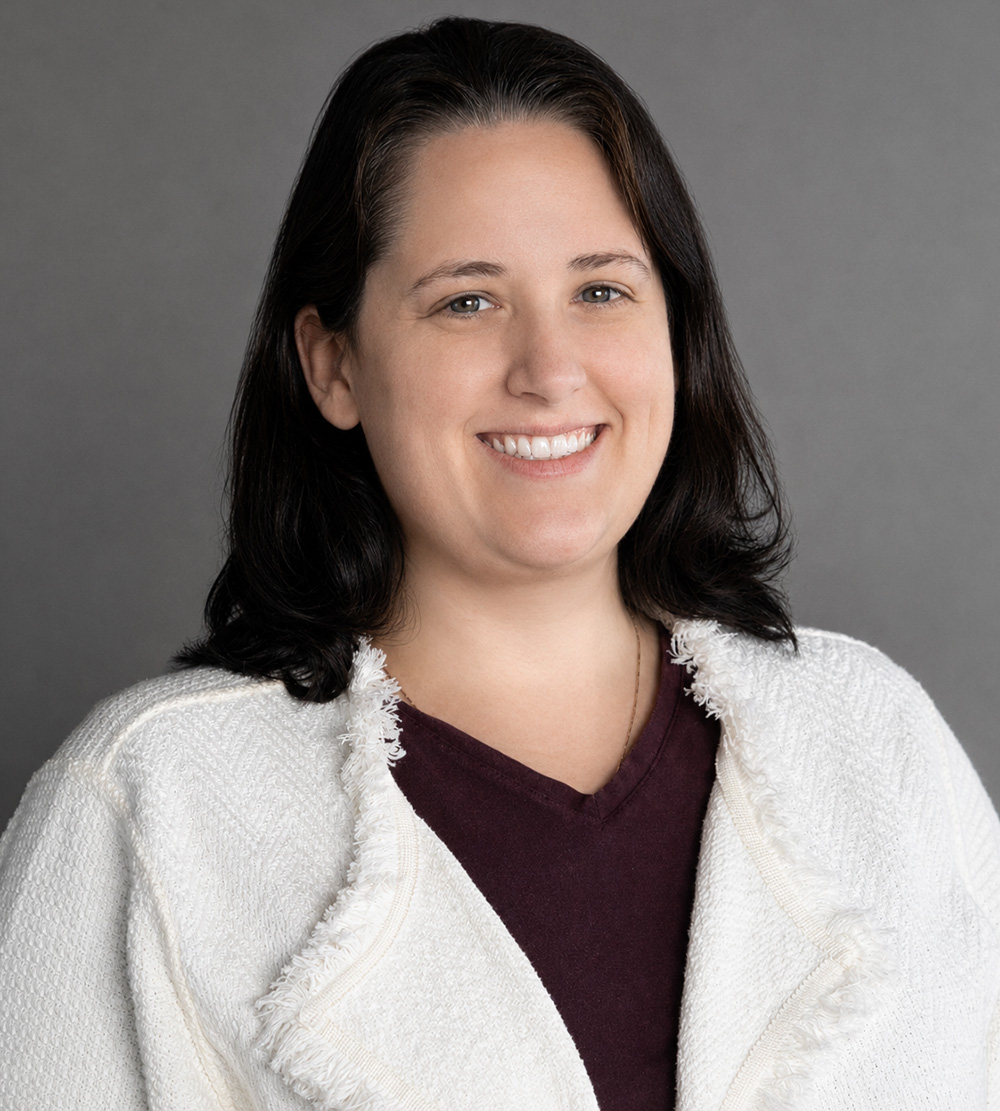
Erin Cathcart, MD, MPH, CPH
University of Massachusetts Chan Medical School
Erin Cathcart MD, MPH, CPH, is an associate professor and family medicine physician at University of Massachusetts where she practices both full scope primary care as well as inpatient adult medicine. She completed her medical school and residency training at Penn State University. She is a graduate of the STFM POCUS Educator Certificate Program as part of its inaugural class.
She currently serves as POCUS director for the UMass Department of Family and Community Medicine as well as co-chair of the STFM POCUS Collaborative. She is a prior recipient of the UMass Department of Family and Community Medicine Educator of the Year Award as well as Worcester Family Medicine Residency Inpatient Educator of the Year.
Dr Cathcart is passionate about expanding POCUS in family medicine through education and research. Locally, she leads resident didactics and electives as well as departmental faculty development sessions. She also serves as co-director of an interdisciplinary POCUS training course for clinicians through the UMass Interprofessional Center for Experiential Learning & Simulation (iCELS) program. She has given presentations at UMass Grand Rounds, MA AFP and STFM on her institution’s strategies for building a POCUS program.
Ben Clements, MD
University of Vermont
Ben Clements, MD, is a family physician and associate professor at the University of Vermont Medical Center and University of Vermont, Larner College of Medicine. He completed both family medicine residency and medical school at the University of Vermont. He is a 2004 graduate from Bates College (Lewiston, ME) with a BA in English. He practices both inpatient at UVMMC and outpatient medicine at UVMMC FM-Colchester, caring for patients from birth to death. He serves as the director of Point of Care Ultrasound for the Department of Family Medicine and is the curricular lead for POCUS in the UVMMC Family Medicine Residency. Additional clinical interests include diabetes care, end of life communication skills, migrant health, office-based procedures, and treatment of opioid use disorder.
He is a fellow of the Ultrasound Leadership Academy and a fellow of the Academy of Wilderness Medicine (FAWM). He serves as a board member of the Vermont Academy of Family Physicians and is a member of the Gold Humanism Honor Society.
Dr Clements lives in Burlington, VT, with his wife and two children. He enjoys any opportunity to cycle or ski in Vermont’s Green Mountains.
Dr Clements participates as Core Faculty for the POCUS Educator Certificate Program because he knows how daunting it can be for a practicing clinician to learn a new skill such as POCUS. Through the POCUS Educator Certificate Program, he hopes to make learning POCUS for practicing family physicians a task that becomes manageable and a thrilling addition to existing clinical skills.
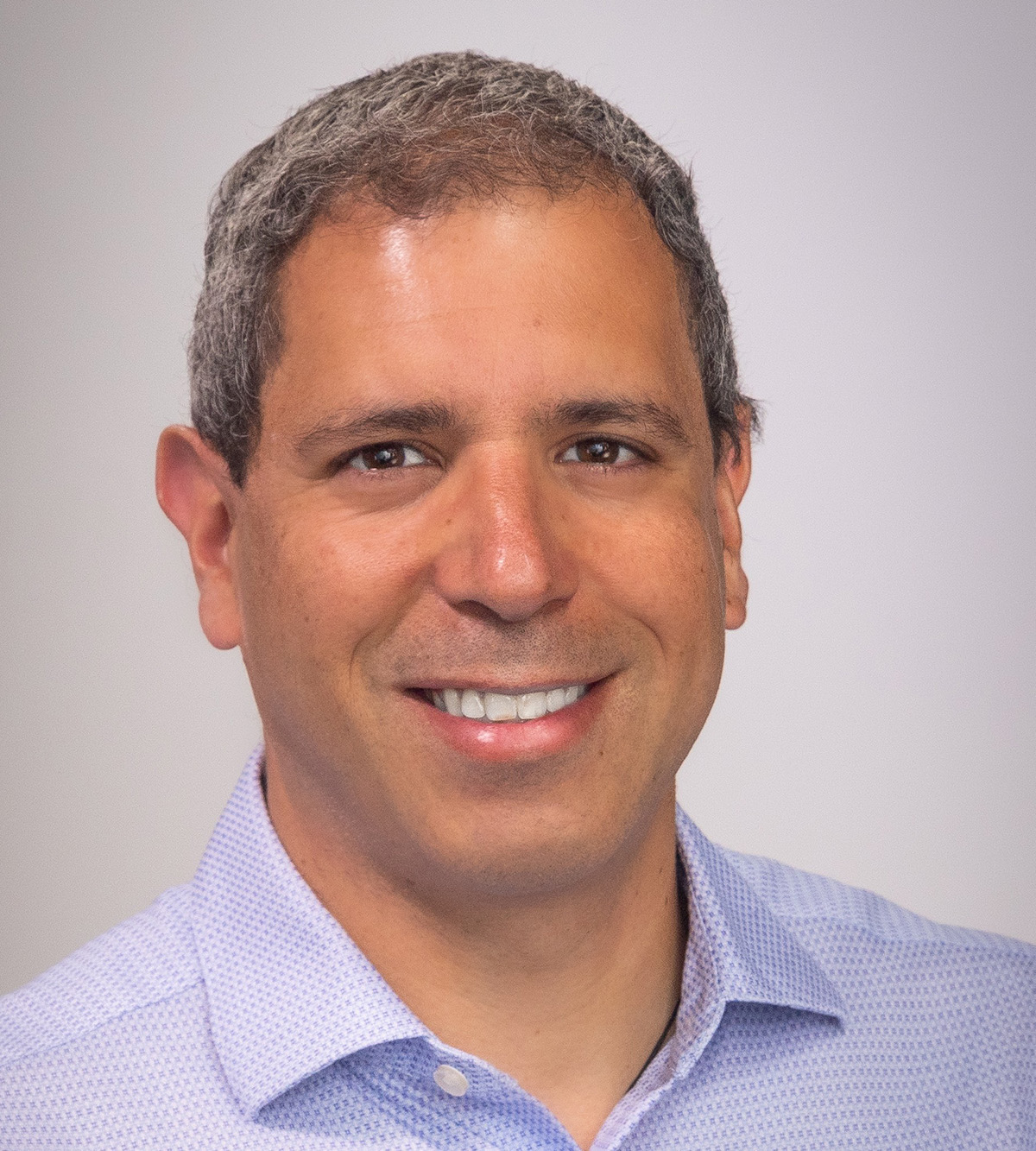
David J. Goldstein, MD
University of New Mexico
David J. Goldstein, MD, is a board-certified family medicine hospitalist and associate professor in the University of New Mexico School of Medicine’s Department of Family & Community Medicine. Originally from New Jersey, he graduated from UMDNJ-Robert Wood Johnson Medical School (now of Rutgers University). He then completed internship at the Naval Medical Center, Portsmouth, Virginia.
Dr Goldstein is a US Navy veteran and served as a Naval Flight Surgeon aboard the aircraft carrier U.S.S. Nimitz, as well as in Oak Harbor, Washington and Pensacola, FL. Following residency at the Medical College of Wisconsin affiliated Columbia-St. Mary’s Family Medicine Residency in Milwaukee, he worked as a community hospitalist in Albuquerque, New Mexico for two years before entering a career in academic medicine. His current clinical practice includes UNM Hospital’s Family Medicine Inpatient Service and the Department of Internal Medicine’s Hospital Medicine service.
Dr Goldstein has been a POCUS educator for over 10 years and co-leads the POCUS curriculum in both the family medicine residency and internal medicine residency at UNM. He is a senior fellow of the Society of Hospital Medicine and champions efforts to preserve and expand opportunities for family physicians in hospital medicine, critical care, and procedural skills. Additional professional interests include diabetes and sepsis care, clinical informatics, competency based medical education, and clinical documentation integrity. Dr Goldstein is a licensed private pilot and enjoys hiking, skiing/snowboarding, scuba diving, and traveling the world with his wife and three daughters.
Daniela A. Lobo, MD
Indiana University
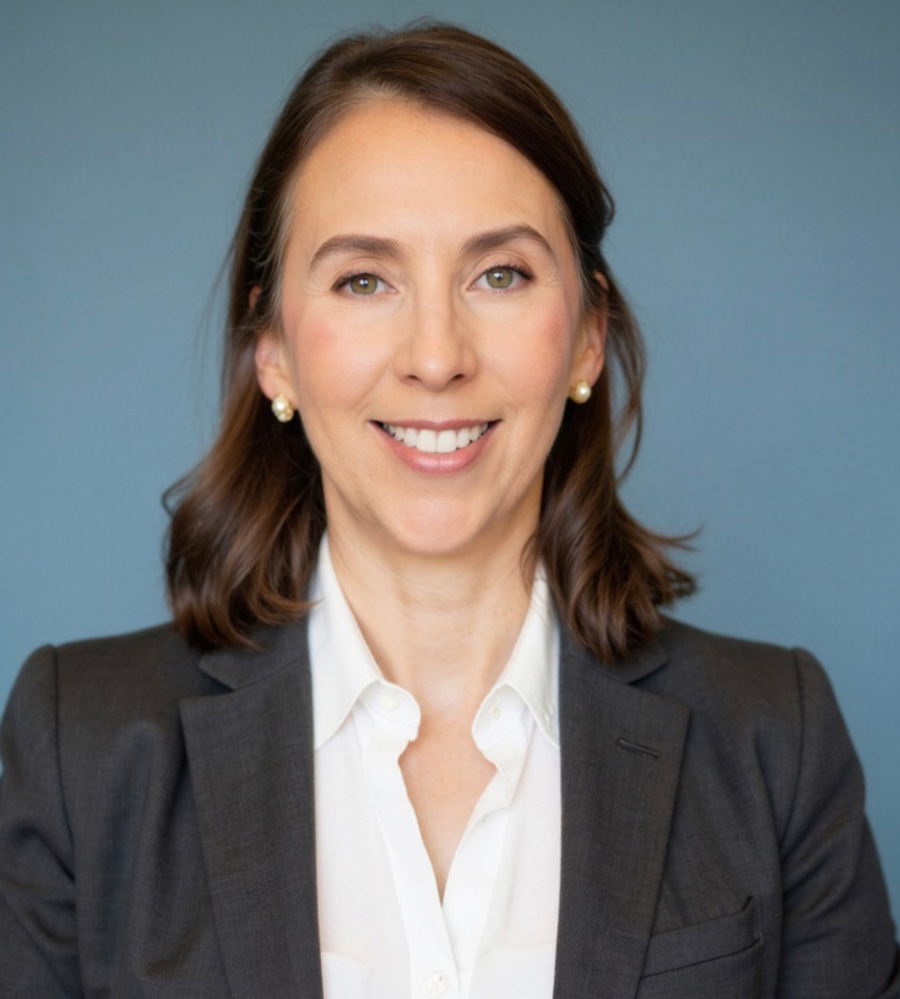
Daniela A. Lobo, MD is an assistant professor of Clinical Family Medicine at Indiana University (IU). After earning her medical degree from the Universidad Nacional Autónoma de Honduras, she completed her family medicine residency training at Indiana University, where she has served as a core faculty member since 2015.
Her journey as a Point‑of‑Care Ultrasound (POCUS) educator and clinical leader at IU began as a POCUS Champion (2020–2021). She then completed her POCUS Fellowship at the same institution (2021–2022), building expertise in advanced ultrasound practice, educational design, and systems‑level privileging and credentialing efforts.
Dr Lobo currently serves as a POCUS instructor in both undergraduate medical education (UME) and graduate medical education (GME) at the Indiana University School of Medicine, focusing on hands‑on ultrasound proficiency and enhancing the clinical integration of POCUS across learner levels.
At the institutional level, Dr Lobo contributes to quality and credentialing standards as a member of the Indiana University Health POCUS Committee, supporting inpatient privileging and credentialing initiatives to ensure safe and consistent ultrasound practice.
Nationally, Dr Lobo has been an active leader within the primary care ultrasound community, serving as the AAFP POCUS MIG Secretary (2023–2024) and Vice Chair (2024–2025), helping shape national conversations around POCUS training and primary care adoption. In 2024, Dr Lobo was selected as a Faculty Instructor for the inaugural STFM POCUS Educators Certificate Program, training faculty from across the country in effective POCUS teaching strategies.
Her interests outside of work include international travel. When at home, she enjoys spending time at their lake house and working on do-it-yourself projects and home renovations with her husband.

Hiten Patel, MD
Ohio State University FMR Program
Hiten Patel, MD, is a family medicine clinician educator. He is currently assistant professor and assistant program director at the Ohio State University Family Residency Program. In his role he directs the inpatient service and leads POCUS education for the residency and department.
Dr Patel completed his residency at Ohio State, followed by being the first family medicine POCUS fellow at Ohio State. Since then, he has also served as assistant director of the ultrasound fellowship within the emergency medicine department, helping educate family medicine fellows.
Dr Patel helps teach POCUS to medical students, residents (of all specialties), and practicing faculty. He believes that POCUS is an essential tool of the future that helps with diagnosis and management in clinical care, with the potential to save time, health care costs, and improve patient satisfaction.
Dr Patel's goal as a faculty instructor is to provide high quality education on how to teach POCUS, so that residency faculty have the tools and confidence to integrate POCUS into their respective curriculums. His professional interests include medical education, technology in medicine, clinical reasoning, and point-of-care ultrasound. Dr Patel lives in Columbus, OH, and enjoys hiking, spending time with his wife and young daughter, and following buckeye football!

Brandon Williamson, MD, RDMS, bio
Texas A&M FMR
Brandon Williamson, MD, RDMS, is a clinical associate professor and associate program director at the Texas A&M Family Medicine Residency. He completed his training at John Peter Smith Family Medicine Residency, spending an extra year completing a Maternal-Child Health Fellowship as well as dedicating extensive time to endoscopy and POCUS.
Dr Williamson currently practices the full spectrum of Family Medicine, including inpatient adult and pediatric medicine, surgical obstetrics, and outpatient clinic care, including MOUD, endoscopy, and extensive obstetric sonography.
Dr Williamson's academic interests include clinical pedagogy, with a focus on remediation and feedback, primary care cardiology, and narrative medicine. He is passionate about lowering the perceived barrier of entry into ultrasound education and hopes to make this a reality through the STFM POCUS Educator’s Certificate Program.
When not in the hospital, you can find him cheering his kids on from the sidelines of various sports, wrenching on his car, or absorbed in conversation over coffee.
Nicole Yedlinsky, MD, CAQSM, RMSK
University of Kansas
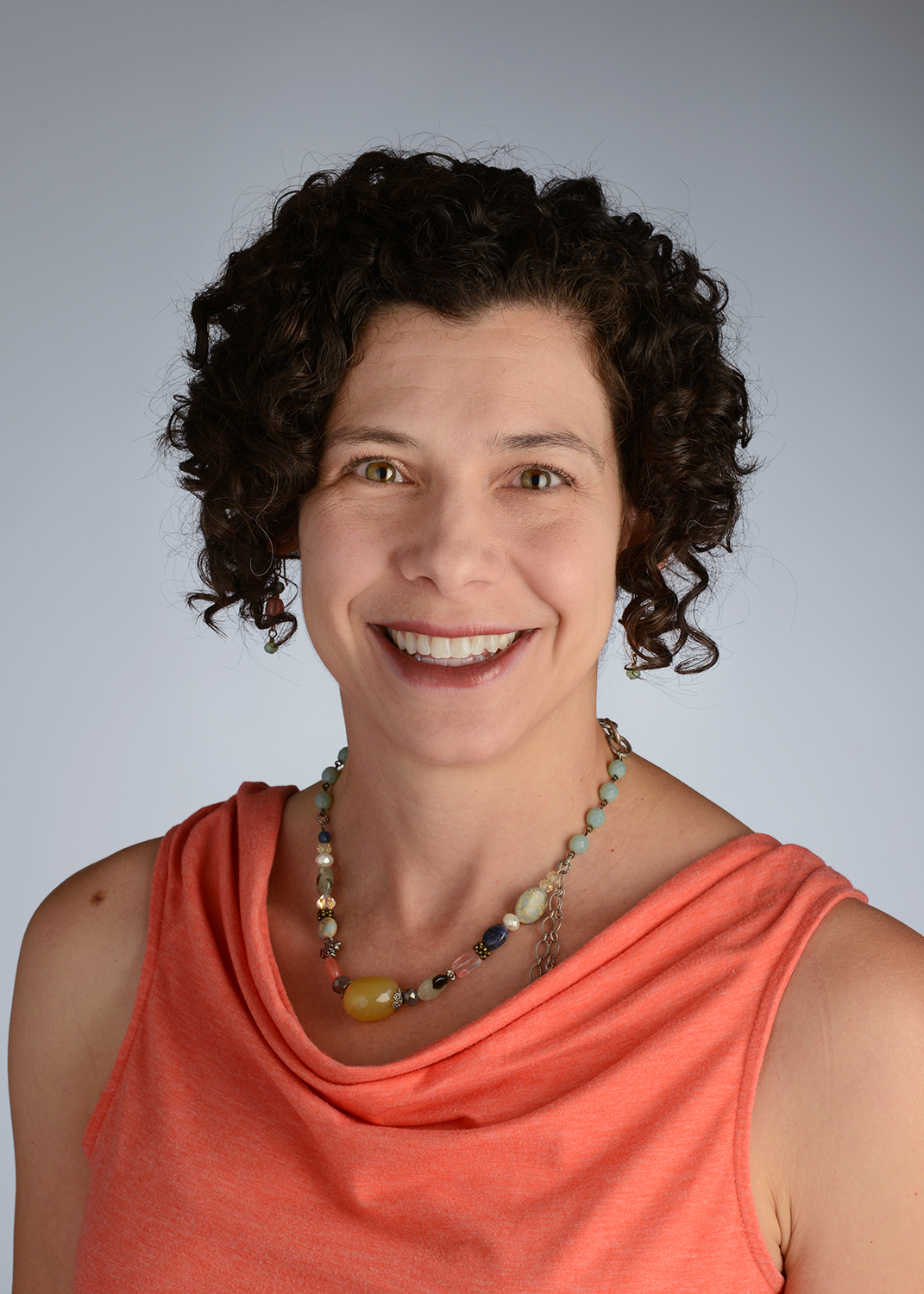
Nicole Yedlinsky, MD, CAQSM, RMSK, is associate professor at the University of Kansas Medical Center in Kansas City, KS. She is the program director for the KUMC Sports Medicine Fellowship and core faculty for the Family Medicine Residency.
Dr Yedlinsky earned her medical degree from Tulane University School of Medicine and completed her residency at Womack Army Medical Center. She completed a fellowship in sports medicine at Virginia Commonwealth University Fairfax Family Practice as part of the National Capital Sports Medicine Consortium. She teaches POCUS to medical students, residents, fellows, and practicing physicians. She offers a wide variety of procedures within the primary care setting and focuses on women’s health, reproductive health, obstetrics and newborn health. She also practices sports medicine and is registered in musculoskeletal ultrasonography.
Dr Yedlinsky believes in care that is patient-centered, cost-effective, and accessible; POCUS is an invaluable tool in a clinician’s toolbox across a variety of settings to meet this aim. She wants all faculty to feel confident in their ability to teach POCUS to learners and incorporate POCUS in their practice and curriculum.
Dr Yedlinsky lives in the Kansas City area with her spouse and three children and spends her time trail and ultra-running, playing the flute in a community orchestra, and volunteering for veteran organizations.
POCUS Certificate Program Faculty Instructors
- Paul H. Bornemann, MD, University of South Carolina School of Medicine, Department of Family and Preventative Medicine
- Puja Dalal, MD, Novant Health
- John Doughton, MD, UNC Chapel Hill, Dept of Family Medicine
- Stephanie Ellwood, DO, Western Michigan Homer Stryker MD School of Medicine
- Noah L. Furr, MD, UNC Chapel Hill, Dept Family Medicine
- Stephen Gipson, DO, Onvida Health Family Medicine Residency
- Ben Howard, DO, Broadlawns Medical Center
- Chelsea Forrester, DO, Hamilton Medical Center
- Nicholas LeFevre, MD, MSAM, University of Missouri Department of Family and Community Medicine
- Lauren Nadkarni, MD, CAQSM, Central Maine Medical Center Family Medicine Residency
- Natalie Nguyen, DO, Kaiser Permanente Los Angeles Medical Center
- Wesley Roten, MD, UNC Chapel Hill, Dept of Family Medicine
- Summer Scavone, MD, University of Virginia Family Medicine Residency
- Joy Shen-Wagner, MD, University of South Carolina School of Medicine Greenville, Prisma Health Upstate FMR
- Dave Stromberg, MD, University of New Mexico Family and Community Medicine