
The Behavioral Science Curriculum is a comprehensive, interactive online curriculum for behavioral science (BS) faculty and behavioral health training in family medicine.This curriculum is designed to:
- Improve behavioral science faculty understanding of family medicine training structure and functions
- Clarify behavioral science faculty roles and competencies relevant to family medicine residency training
- Provide tools for teaching behavioral health in family medicine
Behavioral Science Curriculum Online Modules
Common Family Medicine and Behavioral Science Terminology

Module author: Natalie Pilipenko, PhD, ABPP
Module technical developers: Denise Martinez, MPH, and Kaytlyn Batson
This module covers key terminology encountered within family medicine training and practice.
When possible, terms are contextualized within the wider context of family medicine practice and training.
This module is based on current Milestones as of 2024. Note that this information may change with the future release of the Accreditation Council for Graduate Medical Education’s (ACGME) Milestones for Family Medicine training.
Module Learning Goals
- Define key terms for family medicine practice and training
- Define key terms for behavioral practice and training within family medicine
Family Medicine and Behavioral Science Organizations
Module author: Kaylee Jackson, PhD
Module expert: Katherine Bergs, PhD, LMFT
Module technical developers: Kaytlyn Batson and Denise Martinez, MPH
This module highlights the function of professional organizations for family medicine and behavioral science faculty.
Organizations are often responsible for regulating, advocating, and guiding family medicine as a profession; therefore, behavioral science faculty need to be familiar with these organizations.
Moreover, as behavioral science faculty roles can be isolative, it is important to utilize resources and develop professional networks in and outside of family medicine.
Successful integration within behavioral science and family medicine organizations can improve behavioral science faculty’s job satisfaction and performance.
This module is based on current Milestones as of 2025. Note that this information may change with the future release of the Accreditation Council for Graduate Medical Education’s (ACGME) Milestones for Family Medicine training.
Module Learning Goals
- Outline key family medicine organizations and special interest groups (SIGs)
- Outline key behavioral science organizations and SIGs
Role of Behavioral Science Faculty in Family Medicine
Module author: Tori Avina-Heinl, MA, IMFT-S
Module experts: Allison Bickett, PhD, and Linda Myerholtz, PhD
Module technical developers: Kaytlyn Batson and Denise Martinez, MPH
This module provides an overview of the ACGME’s requirements pertinent for behavioral science faculty scope of practice, core training outcomes are included as these describe required behavioral health competencies for graduating residents, and behavioral science faculty credentials and prior training experiences will be discussed.
This module is based on current Milestones as of 2025. Note that this information may change with the future release of the Accreditation Council for Graduate Medical Education’s (ACGME) Milestones for Family Medicine training.
Module Learning Goals
- Explain behavioral faculty's roles and scope of practice within family medicine
Boundary and Role Management

Module author: Tori Avina-Heinl, MA, IMFT-S
Module experts: Randall Reitz, PhD, and Meredith Williamson, PhD, ABP
Module technical developers: Kaytlyn Batson and Denise Martinez, MPH
This module summarizes and reviews the key roles of behavioral science faculty within family medicine programs and reviews the ethical guidelines for behavioral health roles in comparison to the medical ethical guidelines. It explores the culture of medicine, how that differs from the culture of behavioral health, and how to establish and maintain boundaries as a BS faculty.
This module is based on current Milestones as of 2025. Note that this information may change with the future release of the Accreditation Council for Graduate Medical Education’s (ACGME) Milestones for Family Medicine training.
Module Learning Goals
- Summarize multiple key roles of behavioral faculty in family medicine training
- Review professional standards and ethical guidelines for interprofessional healthcare teams, including behavioral science faculty
- Summarize common ethical dilemmas related to boundary crossings encountered by behavioral science faculty
- Review models for navigating common ethical dilemmas and boundary crossings that BS faculty encounter
Understanding Family Medicine Evaluation Processes

Module author: Meredith Williamson, PhD, ABPP
Module experts: Terri Wall, PhD, and Christopher Haymaker, PhD
Module technical developers: Kaytlyn Batson and Denise Martinez, MPH
This module presents organizations and bodies that oversee family medicine accreditation and governance. It presents the process of learner evaluation and explain review and remediation/due process procedures. The module also summarizes competency-based medical education, present and define support activities, eg coaching, mentoring, advising. Finally, it outlines the role of BS faculty within these processes.
This module is based on current Milestones as of 2025. Note that this information may change with the future release of the Accreditation Council for Graduate Medical Education’s (ACGME) Milestones for Family Medicine training.
Module Learning Goals
- Outline organizations and governing bodies that oversee family medicine accreditation and governance
- Summarize competency-based medical education
- Overview of remediation, probation, termination/non-renewal
- Outline the behavioral science faculty role within the family medicine evaluation process
Introduction to Models of Care Delivery

Module author: Natalie Pilipenko, PhD, ABPP
Module experts: Kathleen Ashton, PhD, ABPP, and Christopher (Chris) Hunter, PhD, ABPP
Module technical developers: Kaytlyn Batson and Denise Martinez, MPH
This module outlines efforts towards integration of BH services within primary care (PC) settings. It explains the continuum of integration within PC as well as the rationale and evidence behind integration efforts. Finally, this module outlines characteristics of three main models of integrated health care - Screening, Brief Intervention and Referring to Treatment (SBIRT), Collaborative Care Model (CoCM), and Primary Care Behavioral Health (PCBH) model. The module concludes with a list of resources for behavioral science and family medicine faculty who are interested in promoting behavioral health integration within family medicine training.
This module is based on current Milestones as of 2025. Note that this information may change with the future release of the Accreditation Council for Graduate Medical Education’s (ACGME) Milestones for Family Medicine training.
Module Learning Goals
- Outline rationale behind integration of behavioral health (BH) within primary care and medical settings
- Explain the continuum of integration within primary care settings
- Discuss 5As and GATHER models integration in primary care settings
- Present three main models of behavioral health integration in the United States
Family Medicine Residency Settings
Module author: Meredith Williamson, PhD, ABPP
Module expert: Brandon Williamson, MD
Module technical developers: Kaytlyn Batson and Denise Martinez, MPH
This module covers different types of FM residency settings and describes special considerations across these settings. Modules also describe various roles that BS faculty may need to take on, based on the type/unique characteristics of the FM residency setting.
This module is based on current Milestones as of 2025. Note that this information may change with the future release of the Accreditation Council for Graduate Medical Education’s (ACGME) Milestones for Family Medicine training.
Module Learning Goals
- Increase knowledge of funding source for FM residency programs and FM residency program settings
- Describe special considerations related to rural and underserved FM residency program settings
- Understand unique characteristics of the BS faculty roles as dedicated by the FM residency program settings
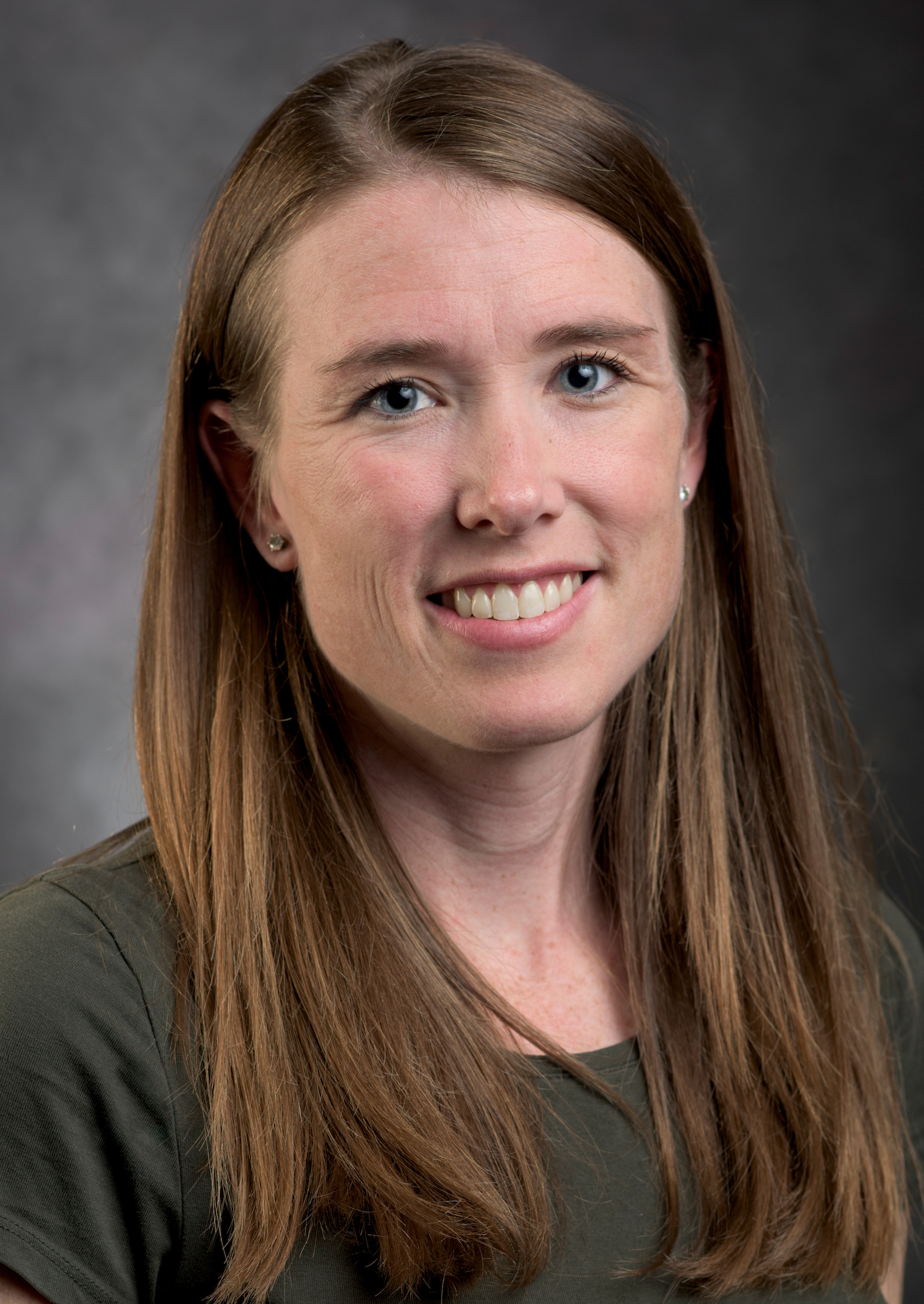
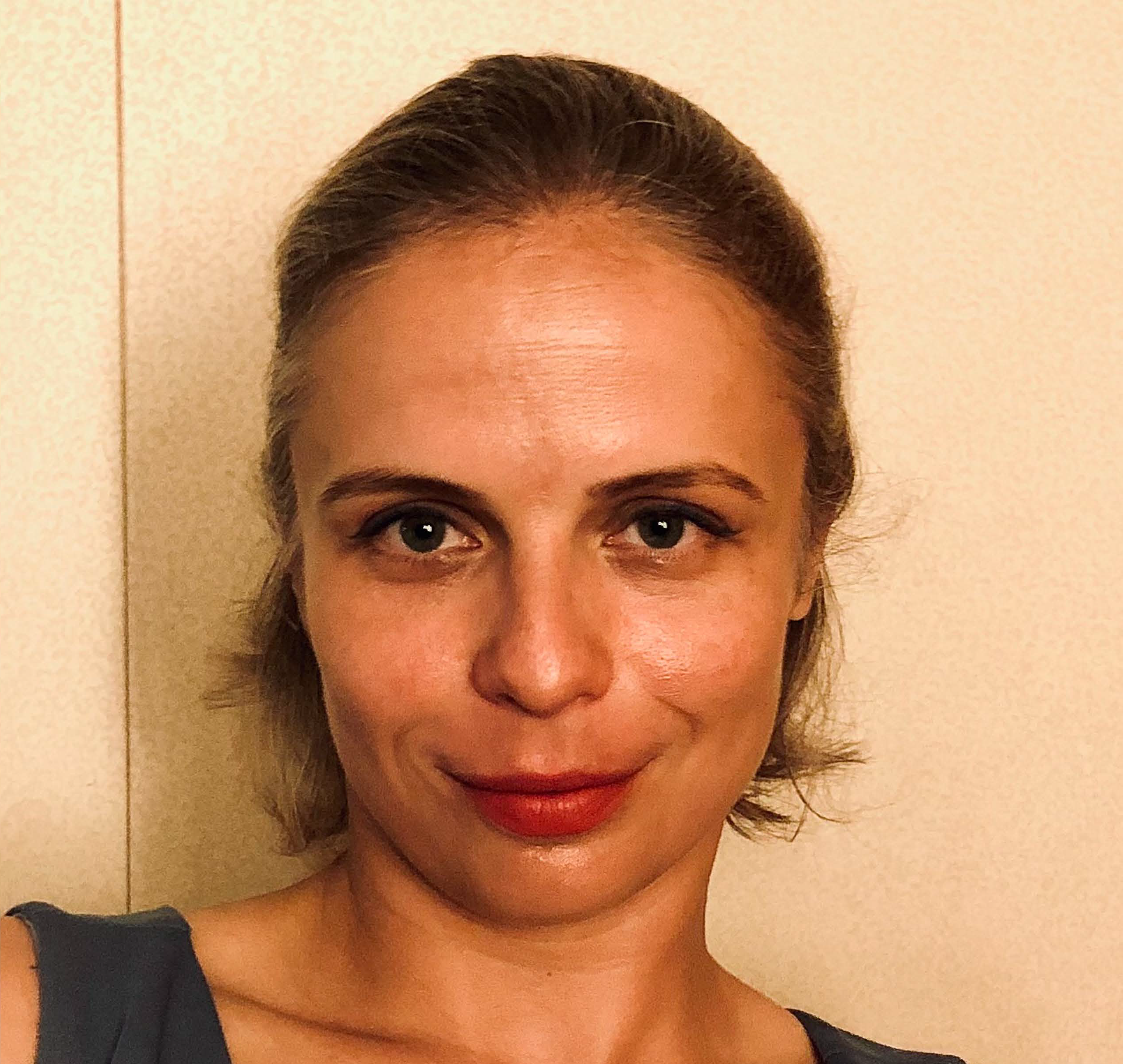
Authors and Editors

Acknowledgements

The authors would like to gratefully acknowledge the STFM Foundation for the grant support for this project. The authors would like to thank Molly Clark, PhD, for her valuable mentorship and thoughtful contributions to the conceptualization and implementation of this projectThe authors would like to acknowledge members of the Family and Behavioral Health Collaborative and additional members of STFM who offered their feedback during the development of these modules and participated as experts for video interviews. The authors would like to acknowledge Kaytlyn Batson and Denise Martinez for their assistance with the technical development and implementation of the contents.