Academic Family Medicine Speakers Bureau

Need some outside expertise to speak at large events on specific topics related to academic family medicine? Contact any of the subject matter experts listed here.

Directly contact — using the provided emails — any of the experts listed below to speak at large-scale events (such as plenary speakers at conferences) on specific topics within family medicine education. We have suggested speakers for AI in medical education, CBME, POCUS, musculoskeletal and sports medicine, and well-being and professional fulfillment.Alternately, if you would like to request a speaker for a customized full-day or half-day faculty development workshop at your residency program or medical school, please fill out an inquiry through our Faculty Development Delivered program.

Artificial Intelligence in Medical Education
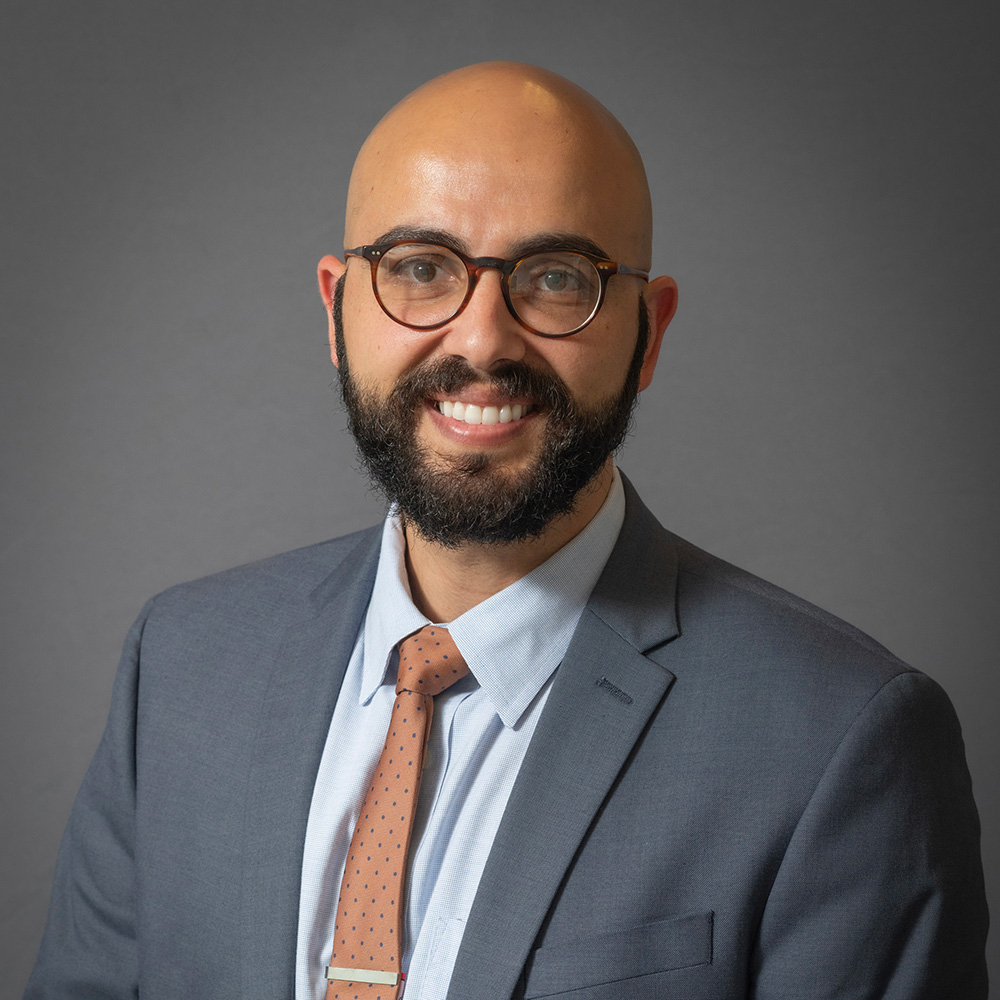
Karim Hanna, MD
Contact Info: khanna@usf.edu
Karim Hanna, MD is a husband, father, family physician, educator, and clinical informaticist serving as the founding program director for the family medicine residency at the University of South Florida at Tampa General Hospital. His academic interests include the use of artificial intelligence in medical education with critical thinking, clinical decision support, faculty development, and health tech in primary care. Dr Hanna writes AI+MedEd, a blog that has more than 140k reads internationally. He is also the founder of ResiLearn, the gamified board review platform.
Ian Bennett, MD, PhD
Ian Bennett, MD, PhD, is a family physician, implementation scientist, and medical director of a community health center in Vallejo, California (Family Health Services), where he leads clinical quality improvement, integrated behavioral health, and the implementation of innovative care models in a federally qualified health center setting. His work focuses on ensuring that advances in artificial intelligence are practical, equitable, and directly applicable to frontline primary care. He was the co-chair of the CASFM HIT work group and serves on the Society of Teachers of Family Medicine (STFM) Task Force on Artificial Intelligence in Family Medicine and is co-director of the NAPCRG+ course on AI in Primary Care.
Yun Liu
Contact Info: liuyun@google.com
Yun Liu, PhD, is a senior staff research scientist in Google Research. In this role he focuses on developing and validating machine learning for medical applications across multiple fields: pathology, ophthalmology, radiology, dermatology, and more. Yun completed his PhD at Harvard-MIT Health Sciences and Technology, where he worked on predictive risk modeling using biomedical signals, medical text, and billing codes. He has previously also worked on predictive modeling for nucleic acid sequences and protein structures. Yun completed a BS in Molecular and Cellular Biology and Computer Science at Johns Hopkins University.
John Hayes DO
Contact Info: jrhayes@mcw.edu
John Hayes DO, is a family physician, associate professor, and residency program director based in Green Bay, WI. A leader in medical education innovation, he specializes in curriculum design across undergraduate medical education (UME) and graduate medical education (GME). His current work focuses on the pragmatic integration of generative artificial intelligence into clinical workflows, residency administration, and medical training curricula. By bridging cutting-edge technology with evidence-based pedagogy, he develops AI-driven solutions, adaptive evaluation frameworks, and immersive clinical reasoning simulations designed to prepare the next generation of physicians for modern practice.
May Lin, DO
Contact Info: dr.maylin@gmail.com
May Lin, DO, is a board-certified family medicine physician and national leader at the intersection of artificial intelligence, innovative primary care, and medical education transformation. She is the assistant dean of Graduate Medical Education, Technology, and Program Development at Touro University College of Osteopathic Medicine. Dr Lin is a physician at Amazon/One Medical and advises on academic development. She serves as a consultant to AACOM on national strategy for AI and emerging technologies, serves on the AAMC Advisory Committee on AI Competencies for Physician Development, STFM's AI in Medical Education Task Force, the American Osteopathic Information Association, and the National Academies’ Global Forum on Innovation in Health Professional Education.
Linda F. Chang, PharmD, MPH, MHPE, BCPS
The Chicago School
Linda F. Chang, PharmD, MPH, MHPE, BCPS, is assistant dean of Curriculum Integration and professor of Pharmacology at The Chicago School. She is a board-certified pharmacotherapy specialist and medical educator with expertise in curriculum development, evidence-based medicine, artificial intelligence in medical education, pharmacogenomics, population health, and interprofessional education. Her scholarship focuses on innovative teaching, competency-based assessment, and the preparation of future health professionals to use evidence and emerging FDA-approved AI technologies to improve patient care and advance health equity.
Winston Liaw, MD, MPH
Contact Info: wliaw@Central.UH.EDU
Winston Liaw, MD, MPH, is a family physician, health services researcher, and the chair of Health Systems and Population Health Sciences at the University of Houston Tilman J. Fertitta Family College of Medicine. His research focuses on the use of artificial intelligence in primary care and assessing and addressing unmet social needs within primary care settings. Prior to joining the University of Houston, he was a researcher at the University of Texas Health Science Center at Houston and the medical director at the Robert Graham Center, a primary care policy research institute affiliated with the American Academy of Family Physicians. He also served as residency faculty at the Virginia Commonwealth University Fairfax Family Medicine Residency Program.
Enitza George, MD, MBA, MSAI
Enitza George, MD, MBA, MSAI, is a physician, engineer, and AI leader dual board-certified in family medicine and artificial intelligence in health care. A graduate of the University of Panama, she completed her family medicine training at SUNY Downstate Health Sciences University. Her career spans clinical medicine, healthcare operations, systems engineering, and organizational leadership. Dr. George focuses on redesigning how care is delivered by integrating clinical insight, systems thinking, technology, and artificial intelligence to build healthcare systems that are more effective, efficient, and human-centered.
Timothy Tsai, DO, MMCi
Timothy Tsai, DO, MMCi, is a clinical assistant professor in the Division of Primary Care and Population Health at Stanford University. With specialized training in Clinical Informatics from Duke University and board certifications in both family medicine and clinical informatics, Dr Tsai brings a wealth of expertise to his work in advancing artificial intelligence (AI) applications in primary care. He serves as the associate medical director of the Stanford Healthcare AI Applied Research Team (HEA3RT), of which the vision is to be a global leader in the practice, implementation, evaluation, and teaching of AI in health and health care. Dr Tsai also serves as medical director for Stanford's Asynchronous Virtual Co-PCP program.
Brent K Sugimoto, MD, MPH
Brent K Sugimoto, MD, MPH, is a family physician who graduated from the University of California, San Francisco and completed his family medicine residency at Contra Costa Regional Medical Center in Martinez, CA. Dr Sugimoto ventured into artificial intelligence after the birth of his first child—when parenthood made him rethink the boundaries of his professional and personal lives—and co-founded a startup which leveraged technology from the US Defense Advanced Research Projects Agency (DARPA) to build tools to make primary care sustainable. Since then, Dr Sugimoto has worked to increase primary care’s engagement in AI/ML as a transformative and disruptive technology through physician education and policy work, focusing on primary care transformation and health equity.

Competency-Based Medical Education Contacts
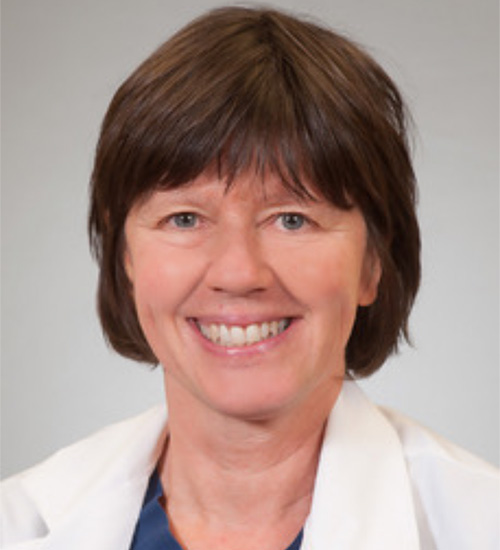
Olivia Rae Wright, MD (Rae)
Areas of expertise: feedback, assessment, direct observation, faculty development, resident engagement, writing goals and objectives, and residents in difficulty
Contact Info: owright1@me.com
Dr Wright grew up in rural Eastern Kentucky and graduated from the University of Kentucky College of Medicine and completed her Family Medicine Residency in Ventura California. She is boarded in both family medicine and addiction medicine. She has worked with the WWAMI Family Medicine Network Faculty Development Fellowship on curriculum development for 15 years and currently serves as the associate director for the fellowship, which serves more than 30 programs in the northwest. She also served as the associate program director at PeaceHealth SW Family Medicine Residency Program for more than 15 years and is currently the residency director for this program. Dr Wright is a member of the STFM Competency-Based Medical Education Task Force. She spearheads this group's efforts in the development of assessment strategies to meet the new ACGME and ABFM requirements.
Velyn Wu, MD, MACM, CAQSM
Areas of expertise: Master Adaptive Learner, growth mindset, goal setting and deliberate practice, individualized feedback in different learning environments
Contact Info: wuvelyn@ufl.edu
Dr Wu is an associate clinical professor in the Department of Community Health and Family Medicine at the University of Florida College of Medicine. She completed both her family medicine residency training and fellowship in Primary Care Sports Medicine at Halifax Health Family Medicine Residency and Sports Fellowship in Daytona Beach, FL. She received a Master of Academic Medicine degree from the Keck School of Medicine of University of Southern California. She served as an assistant program director and assistant clerkship director at the University of Florida College of Medicine, assistant director of sports medicine and core faculty at Lynchburg Family Medicine Residency, and worked in a community private practice in Jacksonville, FL where she maintained a broad scope of practice. Dr Wu is on the STFM CBME Taskforce and is the UF FMIG advisor. She has experience in curriculum redesign initiatives at both the medical student and residency education levels.
Tonya L. Caylor, MD, PCC
Areas of expertise: coaching, giving feedback, individual learning plans (ILPs)
Contact Info: tlcaylor@mac.com
Tonya L. Caylor, MD, PCC is a family physician, ICF Professional Certified Coach (PCC), and Accredited Coaching Team Coach (ACTC) based in Anchorage, AK. She brings over 25 years of combined clinical and academic experience in family medicine, with a focus on faculty development, coaching capacity, and collaborative learning across residency programs and networks. As a member of the STFM CBME Task Force, her work centers on integrating a coaching approach into competency-based medical education (CBME), with a particular focus on faculty roles, individualized learning plans, and physician well-being. She also contributes to STFM Faculty Development Delivered. Dr Caylor serves as a Coach Advisor in the WWAMI Family Medicine Residency Network, supporting the UW/Madigan Faculty Development Course. She coaches nationally through the Better Together Coaching Program and as a member of CHARM Connected Coaches, where she earned certification in GME well-being leadership.
R. Aaron Lambert, MD, DABFM
Dr Lambert was faculty at East Carolina University Family Medicine Residency before joining the Cabarrus Family Medicine Residency faculty where he is currently a clinical associate professor and residency program director. A graduate of both the Faculty Development Fellowship at UNC-Chapel Hill and the National Institute for Program Director Development Fellowship, he is an active educator with all levels of learners and is an advocate for full-spectrum family medicine care. His particular interests are in competency-based medical education, wilderness medicine, and rural health. Dr Lambert is a member of the STFM CBME Task Force.

Point-of-Care Ultrasound (POCUS) Contact

Ryan Paulus, DO
Dr Paulus is a core faculty member at the University of North Carolina Family Medicine Residency Program. He directs the point-of-care ultrasound (POCUS) teaching for the residency and is a faculty instructor for POCUS education at the UNC medical school. Clinically, he works as a hospitalist and ER physician in a rural critical access hospital in addition to attending on the residency inpatient service. His first exposure to POCUS was in medical school at Ohio University and he trained in POCUS as a resident at UNC. He gained further experience by focusing on POCUS during his rural fellowship program. Dr Paulus is lead faculty for STFM's FM Point-of-Care Ultrasound (POCUS) Educator's Certificate Program and STFM's Teach POCUS online modules.

Musculoskeletal and Sports Medicine; and Scholarly Activity Contact

Velyn Wu, MD, MACM, CAQSM
Areas of expertise: Master Adaptive Learner, growth mindset, goal setting and deliberate practice, individualized feedback in different learning environments
Contact Info: wuvelyn@ufl.edu
Dr Wu is an associate clinical professor in the Department of Community Health and Family Medicine at the University of Florida College of Medicine. She completed both her family medicine residency training and fellowship in Primary Care Sports Medicine at Halifax Health Family Medicine Residency and Sports Fellowship in Daytona Beach, FL. She served as an assistant program director and assistant clerkship director at the University of Florida College of Medicine, assistant director of sports medicine and core faculty at Lynchburg Family Medicine Residency, and worked in a community private practice in Jacksonville, FL where she maintained a broad scope of practice. Dr Wu has served as a team physician for community and professional sports teams, including youth leagues, high schools, colleges and universities, USA boxing, and minor league baseball. She has led community initiatives including a weekend free sports injury evaluation clinic and a food prescription and nutrition education program. Dr Wu served as a co-chair of the STFM Collaborative on Musculoskeletal and Sports Medicine Education and is on the STFM CBME Taskforce. She has experience in curriculum redesign initiatives at both the medical student and residency education levels.

Well-Being and Professional Fulfillment; and Resident and Faculty Coaching Contact

Tonya L. Caylor, MD, PCC
Areas of expertise: coaching, giving feedback, individual learning plans (ILPs)
Contact Info: tlcaylor@mac.com
Tonya L. Caylor, MD, PCC is a family physician, ICF Professional Certified Coach (PCC), and Accredited Coaching Team Coach (ACTC) based in Anchorage, AK. She brings over 25 years of combined clinical and academic experience in family medicine, with a focus on faculty development, coaching capacity, and collaborative learning across residency programs and networks. As a member of the STFM CBME Task Force, her work centers on integrating a coaching approach into competency-based medical education (CBME), with a particular focus on faculty roles, individualized learning plans, and physician well-being. She also contributes to STFM Faculty Development Delivered. Dr Caylor serves as a Coach Advisor in the WWAMI Family Medicine Residency Network, supporting the UW/Madigan Faculty Development Course. She coaches nationally through the Better Together Coaching Program and as a member of CHARM Connected Coaches, where she earned certification in GME well-being leadership.
Ask a Question
AI Chatbot Tips

Tips for Using STFM's AI Assistant

STFM's AI Assistant is designed to help you find information and answers about Family Medicine education. While it's a powerful tool, getting the best results depends on how you phrase your questions. Here's how to make the most of your interactions:

1. Avoid Ambiguous Language

Be Clear and Specific: Use precise terms and avoid vague words like "it" or "that" without clear references.

Example:

Instead of: "Can you help me with that?"
Try: "Can you help me update our Family Medicine clerkship curriculum?"
Why this is important: Ambiguous language can confuse the AI, leading to irrelevant or unclear responses. Clear references help the chatbot understand exactly what you're asking.

2. Use Specific Terms

Identify the Subject Clearly: Clearly state the subject or area you need information about.

Example:

Instead of: "What resources does STFM provide?"
Try: "I'm a new program coordinator for a Family Medicine clerkship. What STFM resources are available to help me design or update clerkship curricula?"
Why this is better: Providing details about your role ("program coordinator") and your goal ("design or update clerkship curricula") gives the chatbot enough context to offer more targeted information.

3. Don't Assume the AI Knows Everything

Provide Necessary Details:The STFM AI Assistant has been trained on STFM's business and resources. The AI can only use the information you provide or that it has been trained on.

Example:

Instead of: "How can I improve my program?"
Try: "As a program coordinator for a Family Medicine clerkship, what resources does STFM provide to help me improve student engagement and learning outcomes?"
Why this is important: Including relevant details helps the AI understand your specific situation, leading to more accurate and useful responses.

4. Reset if You Change Topics

Clear Chat History When Switching Topics:

If you move to a completely new topic and the chatbot doesn't recognize the change, click the Clear Chat History button and restate your question.
Note: Clearing your chat history removes all previous context from the chatbot's memory.
Why this is important: Resetting ensures the AI does not carry over irrelevant information, which could lead to confusion or inaccurate answers.

5. Provide Enough Context

Include Background Information: The more context you provide, the better the chatbot can understand and respond to your question.

Example:

Instead of: "What are the best practices?"
Try: "In the context of Family Medicine education, what are the best practices for integrating clinical simulations into the curriculum?"
Why this is important: Specific goals, constraints, or preferences allow the AI to tailor its responses to your unique needs.

6. Ask One Question at a Time

Break Down Complex Queries: If you have multiple questions, ask them separately.

Example:

Instead of: "What are the requirements for faculty development, how do I register for conferences, and what grants are available?"
Try: Start with "What are the faculty development requirements for Family Medicine educators?" Then follow up with your other questions after receiving the response.
Why this is important: This approach ensures each question gets full attention and a complete answer.

Examples of Good vs. Bad Prompts

Bad Prompt

"What type of membership is best for me?"

Why it's bad: The AI Chat Assistant has no information about your background or needs.

Good Prompt

"I'm the chair of the Department of Family Medicine at a major university, and I plan to retire next year. I'd like to stay involved with Family Medicine education. What type of membership is best for me?"

Why it's good: The AI Chat Assistant knows your role, your future plans, and your interest in staying involved, enabling it to provide more relevant advice.

Double Check Important Information

While the AI Chat Assistant is a helpful tool, it can still produce inaccurate or incomplete responses. Always verify critical information with reliable sources or colleagues before taking action.

Technical Limitations

The Chat Assistant:

  • Cannot access external websites or open links
  • Cannot process or view images
  • Cannot make changes to STFM systems or process transactions
  • Cannot access real-time information (like your STFM Member Profile information)

STFM AI Assistant
Disclaimer: The STFM Assistant can make mistakes. Check important information.