Family Medicine Residency Learning Networks Speakers Bureau
Need some outside expertise for the next meeting of your family medicine residency learning network? Contact any of the subject matter experts listed here. Contract directly with them, based on your needs.
Competency-Based Medical Education Contacts
Olivia Rae Wright, MD (Rae)
Areas of expertise: feedback, assessment, direct observation, faculty development, resident engagement, writing goals and objectives, and residents in difficulty
Contact Info: owright1@me.com
Dr Wright grew up in rural Eastern Kentucky and graduated from the University of Kentucky College of Medicine and completed her Family Medicine Residency in Ventura California. She is boarded in both family medicine and addiction medicine.
She has worked with the WWAMI Family Medicine Network Faculty Development Fellowship on curriculum development for 15 years and currently serves as the associate director for the fellowship, which serves more than 30 programs in the northwest. She also served as the associate program director at PeaceHealth SW Family Medicine Residency Program for more than 15 years and is currently the residency director for this program.
Dr Wright is a member of the STFM Competency-Based Medical Education Task Force. She spearheads this group's efforts in the development of assessment strategies to meet the new ACGME and ABFM requirements.
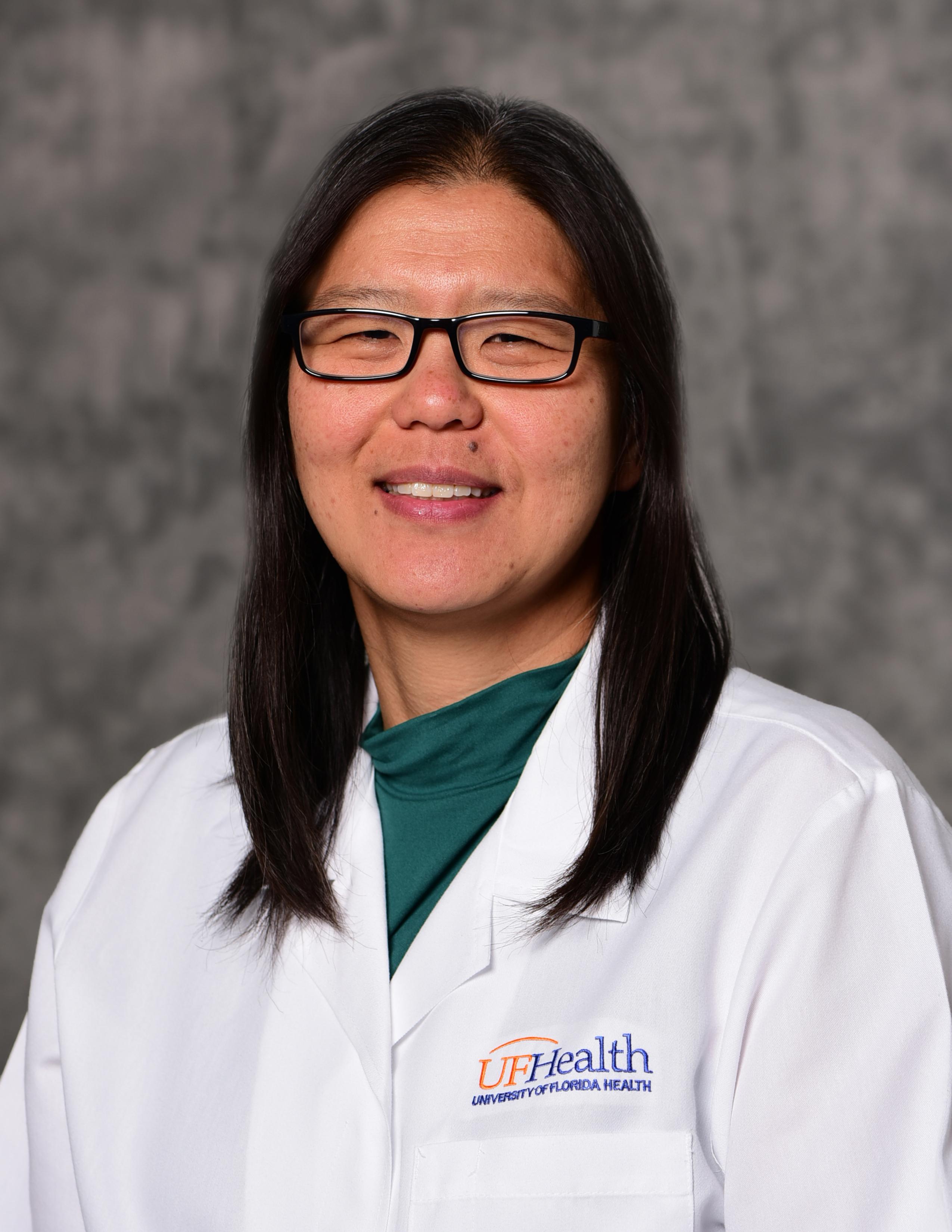
Velyn Wu, MD, MACM, CAQSM
Areas of expertise: Master Adaptive Learner, growth mindset, goal setting and deliberate practice, individualized feedback in different learning environments
Contact Info: wuvelyn@ufl.edu
Dr Wu is an associate clinical professor in the Department of Community Health and Family Medicine at the University of Florida College of Medicine. She completed both her family medicine residency training and fellowship in Primary Care Sports Medicine at Halifax Health Family Medicine Residency and Sports Fellowship in Daytona Beach, FL. She received a Master of Academic Medicine degree from the Keck School of Medicine of University of Southern California. She served as an assistant program director and assistant clerkship director at the University of Florida College of Medicine, assistant director of sports medicine and core faculty at Lynchburg Family Medicine Residency, and worked in a community private practice in Jacksonville, FL where she maintained a broad scope of practice. Dr Wu has served as a team physician for community and professional sports teams, including youth leagues, high schools, colleges and universities, USA boxing, and minor league baseball. She has led community initiatives including a weekend free sports injury evaluation clinic and a food prescription and nutrition education program .
Dr Wu served as a co-chair of the STFM Collaborative on Musculoskeletal and Sports Medicine Education and was a member of the STFM Medical Student Education Steering Committee. She is currently on the STFM CBME Taskforce and is the UF FMIG advisor. She has experience in curriculum redesign initiatives at both the medical student and residency education levels.
Tonya L. Caylor, MD, PCC
Areas of expertise: coaching, giving feedback
Contact Info: tlcaylor@mac.com
Dr Caylor is a family physician and physician coach in Anchorage, Alaska, with 25 years of clinical and academic practice. She is a certified coach who has earned her ICF PCC credential with additional training in Trauma Mitigation and has her own external coaching practice for family medicine residencies. She also serves as co-director of the American Medical Women’s Association Evolve Leadership Coaching Program for trainees and is a member of the Better Together Coaching Program through the University of Colorado, which serves trainees and faculty across the country. Dr. Caylor is also a member of CHARM Connected Coaches - (Collaborative for Healing and Renewal in Medicine), through which she earned her GME Well-being Leadership Certification. She is currently leading a working group to develop a statewide GME Council. She has been involved in webinars and pilot studies with CBME with STFM on the topic of faculty roles and coaching skills. She also coaches leaders who are starting residency learning networks and is involved in Faculty Development at the WWAMI/Madigan Hybrid program.
R. Aaron Lambert, MD, DABFM
Contact Info: Robert.Lambert@atriumhealth.org
Dr Lambert was faculty at East Carolina University Family Medicine Residency before joining the Cabarrus Family Medicine Residency faculty where he is currently a clinical associate professor and residency program director. A graduate of both the Faculty Development Fellowship at UNC-Chapel Hill and the National Institute for Program Director Development Fellowship, he is an active educator with all levels of learners and is an advocate for full-spectrum family medicine care. His particular interests are in competency-based medical education, wilderness medicine, and rural health. Dr Lambert is a member of the STFM CBME Task Force.
Point-of-Care Ultrasound (POCUS) Contact

Ryan Paulus, DO
Areas of expertise: POCUS
Contact Info: ryan_paulus@med.unc.edu
Dr Paulus is a core faculty member at the University of North Carolina Family Medicine Residency Program. He directs the point-of-care ultrasound (POCUS) teaching for the residency and is a faculty instructor for POCUS education at the UNC medical school. Clinically, he works as a hospitalist and ER physician in a rural critical access hospital in addition to attending on the residency inpatient service.
His first exposure to POCUS was in medical school at Ohio University and he trained in POCUS as a resident at UNC. He gained further experience by focusing on POCUS during his rural fellowship program. Dr Paulus is lead faculty for STFM's FM Point-of-Care Ultrasound (POCUS) Educator's Certificate Program and STFM's Teach POCUS online modules.
Musculoskeletal and Sports Medicine; and Scholarly Activity Contact
Velyn Wu, MD, MACM, CAQSM
Areas of expertise: Master Adaptive Learner, growth mindset, goal setting and deliberate practice, individualized feedback in different learning environments
Contact Info: wuvelyn@ufl.edu
Dr Wu is an associate clinical professor in the Department of Community Health and Family Medicine at the University of Florida College of Medicine. She completed both her family medicine residency training and fellowship in Primary Care Sports Medicine at Halifax Health Family Medicine Residency and Sports Fellowship in Daytona Beach, FL. She received a Master of Academic Medicine degree from the Keck School of Medicine of University of Southern California. She served as an assistant program director and assistant clerkship director at the University of Florida College of Medicine, assistant director of sports medicine and core faculty at Lynchburg Family Medicine Residency, and worked in a community private practice in Jacksonville, FL where she maintained a broad scope of practice. Dr Wu has served as a team physician for community and professional sports teams, including youth leagues, high schools, colleges and universities, USA boxing, and minor league baseball. She has led community initiatives including a weekend free sports injury evaluation clinic and a food prescription and nutrition education program .
Dr Wu served as a co-chair of the STFM Collaborative on Musculoskeletal and Sports Medicine Education and was a member of the STFM Medical Student Education Steering Committee. She is currently on the STFM CBME Taskforce and is the UF FMIG advisor. She has experience in curriculum redesign initiatives at both the medical student and residency education levels.
Well-Being and Professional Fulfillment; and Resident and Faculty Coaching Contact
Tonya L. Caylor, MD, PCC
Areas of expertise: coaching, giving feedback
Contact Info: tlcaylor@mac.com
Dr Caylor is a family physician and physician coach in Anchorage, Alaska, with 25 years of clinical and academic practice. She is a certified coach who has earned her ICF PCC credential with additional training in Trauma Mitigation and has her own external coaching practice for family medicine residencies. She also serves as co-director of the American Medical Women’s Association Evolve Leadership Coaching Program for trainees and is a member of the Better Together Coaching Program through the University of Colorado, which serves trainees and faculty across the country. Dr. Caylor is also a member of CHARM Connected Coaches - (Collaborative for Healing and Renewal in Medicine), through which she earned her GME Well-being Leadership Certification. She is currently leading a working group to develop a statewide GME Council. She has been involved in webinars and pilot studies with CBME with STFM on the topic of faculty roles and coaching skills. She also coaches leaders who are starting residency learning networks and is involved in Faculty Development at the WWAMI/Madigan Hybrid program.