Mentoring in Medicine is a series of brief training modules for mentors in academic family medicine. The modules are based on the literature on faculty mentoring other faculty. However, they can also apply to faculty-learner mentoring situations. Each module takes approximately 15 minutes to view.These modules can:
- Cover a broad array of mentoring experiences encountered in academic medicine
- Enhance skills and prepare mentors for challenging mentorship situations
- Improve mentorship techniques by focusing on developing trusting relationships
- Offer a variety of solutions to common dilemmas encountered in mentorship
Mentorship Basics
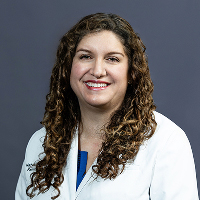
Presenter: Natalia V. Galarza Carrazco, MD
Mentorship is crucial in professional and personal development but often misunderstood or confused with coaching and sponsorship. It is important for mentors and mentees to have a good understanding of what is expected from each other and also approach mentorship with the goal of mutual growth.
This module:
- Defines mentorship and clarifies roles of mentors and mentees
- Outlines the importance of empathy and active listening in mentorship
- Identifies some pitfalls in the mentorship relationship and how to address them
Navigating the Complexities of Mentoring
Presenter: Natalia V. Galarza Carrazco, MD
Once the basic groundwork has been set, mentors often need to address complex issues with their mentees. As mentors, guiding mentees through career growth challenges requires thoughtful support, clear expectations, and proactive strategies. This can be challenging; however, with some preparation, mentors can provide mentees with help they might not otherwise receive.
This module:
- Provides examples of complex issues that come up in careers in academic medicine
- Highlights specific behaviors that mentors can use to develop trust with mentees
- Gives tips on how to be proactive and help mentees feel confident that they can address and overcome career challenges
Addressing Unique Needs of Mentees from Historically Marginalized Groups
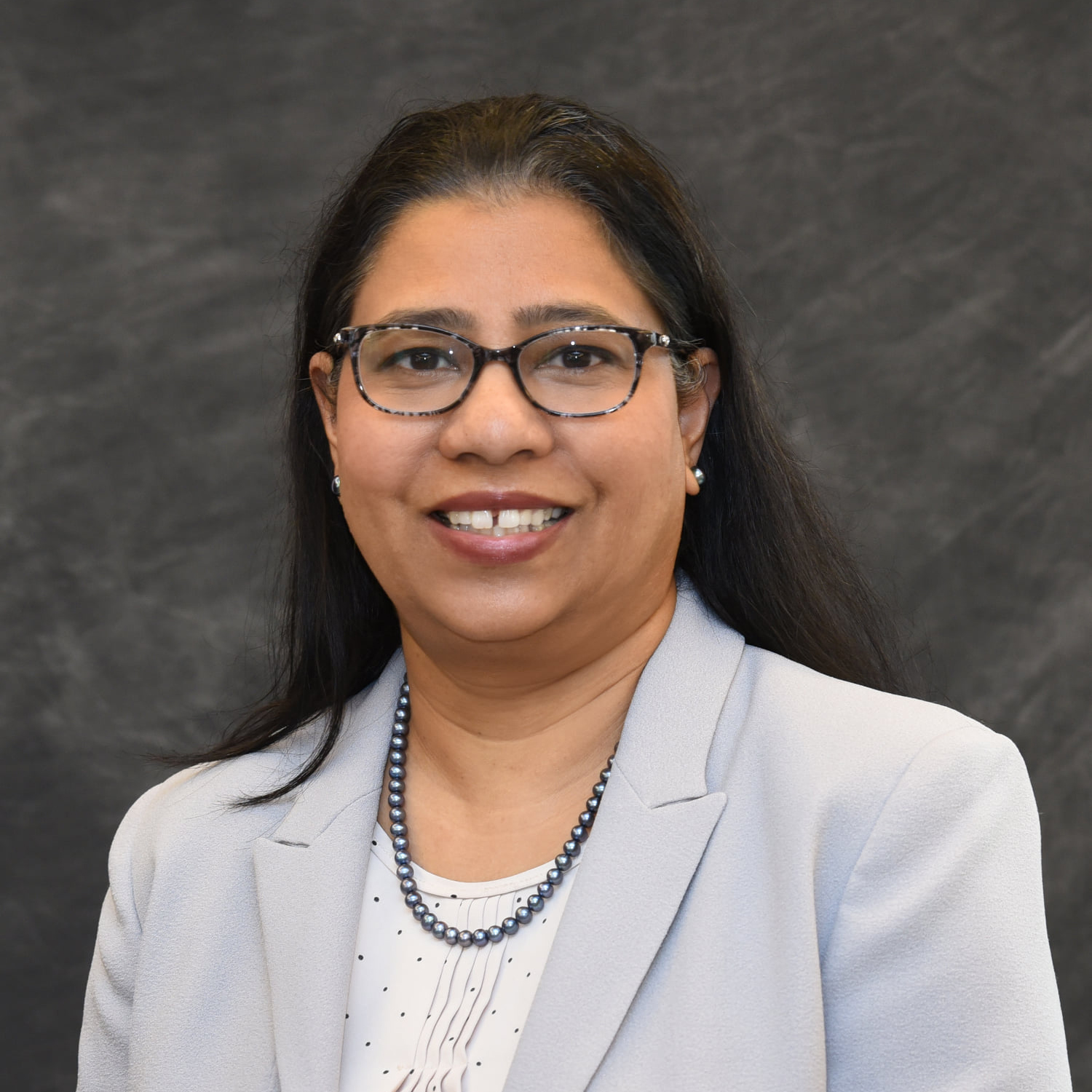
Presenter: Manorama M. Khare, PhD, MS
Academic faculty from marginalized groups (cultural ethnic, LGBTQ+, differently-abled, and others) experience additional layers to challenge over and above those of faculty from mainstream groups. Mentors should be sensitive and aware of how their unique backgrounds may present challenges to achieving career advancement and satisfaction.
This module:
- Describes mentorship needs of marginalized groups who have experienced discrimination and oppression
- Addresses how these issues can hinder career progression
- Provides tips on how mentors can create a safe space for mentees to feel seen and heard
Advancing in Academic Careers
Presenter: Manorama M. Khare, PhD, MS
Careers in academic medicine can be challenging, complex, and multilayered. At the same time, they bring great rewards when faculty are passionate about their work. This module gives tips on how to mentor early career faculty who strive to succeed and thrive in academic medicine.
This module includes:
- Topics to address with mentees based on career advancement in their particular work setting
- Ways to navigate and overcame obstacles to advancement
- Ideas on how to develop a mentorship relationship conducive to addressing these challenges
Difficult Conversations in Mentoring
Presenter: Kathryn Fraser, PhD
Mentors are often helping their mentee through difficult times, and it is important for them to embrace these conversations in supportive and productive ways. Mentees may have no one in their immediate work setting who can help them with difficult topics, and a mentor can be an effective sounding board.
This module includes:
- Ways to identify potentially difficult topics/conversations and be prepared for them
- Tips for addressing difficult topics like struggles with career choice and difficult feedback
- Ways to provide consistency, goal setting, and optimism for mentees struggling in different areas
Additional Resources
Additional STFM Resources
- ASCEND Mentorship Program
- The STFM Podcast July 2021, How to Be a Good Mentor
- The URM JAM Podcast Episode 22, The Power of Mentorship
- Quick Consult
- Developing Coaching Skills Toward Meaningful Individual Learning Plans—Family Medicine
- The Application of Critical Andragogy in the Context of Mentoring Minoritized Faculty in Academic Medicine—Family Medicine
Other Family Medicine Resources on Mentoring
- Mentoring Resource Packet from the University of Colorado Anschutz Medical Campus, Department of Family Medicine
- Finding a Mentor in Medicine from the American Academy of Family Physicians
- Career Development and the Power of Mentorship in Medicine from Permanente Medicine
- Mentoring Why and How from UT Health San Antonio Long School of Medicine, Department of Family and Community Medicine
Authors of Mentoring in Medicine Modules
The authors would like to gratefully acknowledge members of the Faculty Development Collaborative who offered their feedback during the development of these modules.

References
- Zachary, L. J. (2011). The Mentor's Guide: Facilitating Effective Learning Relationships (2nd ed.). Jossey-Bass.
- Rosenberg, M. B. (2015). Nonviolent Communication: A Language of Life (3rd ed.). Puddle Dancer Press.
- Frey, L., & Botan, C. H. (2000). Investigating Communication: An Introduction to Research Methods. Allyn & Bacon.
- Schunk, D. H., & Mullen, C. A. (2013). Toward a Conceptual Model of Mentorship in Teacher Education. Educational Psychology Review, 25(2), 361–389. https://doi.org/10.1007/s10648-013-9233-5
- Brown, B. (2018). Dare to Lead: Brave Work. Tough Conversations. Whole Hearts. Random House.
- Scott, K. (2017). Radical Candor: Be a Kick-Ass Boss Without Losing Your Humanity. St. Martin's Press.
- Shanafelt, T. D., & Noseworthy, J. H. (2017). Executive Leadership and Physician Well-Being: Nine Organizational Strategies to Promote Engagement and Reduce Burnout. Mayo Clinic Proceedings, 92(1), 129–146. https://doi.org/10.1016/j.mayocp.2016.10.004
- Algiraigri, AH. Ten Tips for receiving feedback effectively in clinical practice. (2014). Med Educ Online, 19: 25141- http://dx.doi.org/10.3402/meo.v19.25141
Mentorship In Academic Medicine
- Wingard, D. L., Garman, K. A., & Reznik, V. (2004). Facilitating Faculty Success: Outcomes and Cost Benefit of the UCSD National Center of Leadership in Academic Medicine. Academic Medicine, 79(10 Suppl), S9–S11. https://doi.org/10.1097/00001888-200410001-00004.
- Zambrana, R. E., Ray, R., Espino, M. M., Castro, C., Cohen, B. D., & Eliason, J. (2015). “Don’t Leave Us Behind”: The Importance of Mentoring for Underrepresented Minority Faculty. American Educational Research Journal, 52(1), 40–72. https://doi.org/10.3102/0002831214563063.
- Feldman MD, Arean PA, Marshall SJ, Lovett M, Osullivan P. Does mentoring matter: results from a survey of faculty mentees at a large health sciences university. Medical Education Online. 2010;15(1):5063. doi:10.3402/meo.v15i0.5063.
- Riley, M, Skye E, Reid BD, Mentorship in an academic department of Family Medicine. Fam Med. 2014;46(10):792-6.
- Burns LJ, Clayton CP, George JN, Mitchell BS, Gitlin SD. The Effect of an Intense Mentoring Program on Junior Investigators’ Preparation for a Patient-Oriented Clinical Research Career. First Academic Medicine. 2015;90(8):1061-1066. doi:10.1097/acm.0000000000000742.
- Detsky AS, Baerlocher MO. Academic Mentoring—How to Give It and How to Get It. Jama. 2007;297(19):2134. doi:10.1001/jama.297.19.2134.
- Chopra V, Edelson DP, Saint S. Mentorship Malpractice. Jama. 2016;315(14):1453. doi:10.1001/jama.2015.18884.
- Pololi, L, Knight, S. Mentoring faculty in Academic Medicine. J Gen Int Med. 2005; 20:866-870.
- Ramani, Subha, et al. Twelve Tips for Developing Effective Mentors. Medical Teacher, vol. 28, no. 5, 2006, pp. 404–408., doi:10.1080/01421590600825326.
Mentorship With Underrepresented Groups
- Athman, C, Bidar-Sielaff, S, Black, A, Edgoose, J, Fendry, M, Knox, K, Lankton, R, Salinas, A, Santiago, M, Stevenson, K, Veltum, L. (2017) Mentorship Toolkit: Supporting Your Mentors and Mentees. DEI Committee, Dept. of Fam Med and Comm Hlth, Univ of Wisconsin. https://www.fammed.wisc.edu/files/webfm-uploads/documents/diversity/Mentorship-Toolkit.pdf
- Brown Speights, J, Figueroa, E, Figueroa, E, Washington, J. (2016) Enhancing Mentorship for Underrepresented Minority Family Medicine Faculty: Workshop Tools. https://resourcelibrary.stfm.org/viewdocument/enhancing-mentorship-for-underrepre
- Edgoose, J., Anderson, A., Brown-Speights J. S., Bullock, K., Ferguson, W., Fraser, K., Guh, J., Hampton, A., Henderson, D., Lankton, R., Martinez-Bianchi, V., Ring, J., Roberson, K., Rodgers, D., Saba, G., Saint-Hilaire, L., Svetaz, V., White-Davis, T., Wu, D. (2017). Teaching about Racism in the Context of Persistent Health and Healthcare Disparities. https://resourcelibrary.stfm.org/viewdocument/toolkit-for-teaching-about-racism-i?CommunityKey=2751b51d-483f-45e2-81de-4faced0a290a&tab=librarydocuments
- Childs E, Yoloye K, Bhasin RM, Benjamin EJ, Assoumou SA. Retaining faculty from underrepresented groups in academic medicine: results from a needs assessment. South Med J. 2023 Feb;116(2):157-161. doi: 10.14423/SMJ.0000000000001510. PMID: 36724529; PMCID: PMC9907002.
- Sevelius, J.M.; Harris, O.O.; Bowleg, L. Intersectional mentorship in academic Medicine: a conceptual review. Int. J. Environ. Res. Public Health 2024, 21, 503. https://doi.org/10.3390/ijerph21040503.
- American Association of Medical Colleges. Diversity in medicine: facts and figures 2019. Accessed 23 May 2024. https://www.aamc.org/data-reports/workforce/report/diversity-medicine-facts-and-figures-2019.
- United States Census Bureau. Race and Hispanic Origin Tables 2020. Accessed 23 May 2024. https://www.census.gov/quickfacts/fact/table/US/RHI825222#RHI825222
- Association of Departments of Family Medicine. ADFM Diversity, Inclusion and Health Equity Taskforce. Accessed 23 May 2024 https://www.adfm.org/media/1557/adfm-diversity-inclusion-health-equity-taskforce-charge-11918.pdf.
- Society of Teachers of Family Medicine. Underrepresented in Medicine Initiative. Accessed 23 May 2024. https://www.stfm.org/about/keyinitiatives/antiracism-and-health-equity/urm-initiative/urm-initiative/.
- Quach, E.D., Pimentel, C.B. & Hartmann, C.W. Addressing inequity through “mentee-focused” mentorship. J Gen Intern Med36, 1768–1770 (2021). https://doi.org/10.1007/s11606-020-06148-8.
- Coe C, Piggott C, Davis A, et al. Leadership Pathways in Academic Family Medicine: Focus on Underrepresented Minorities and Women. Fam Med. 2020;52(2):104-111. https://doi.org/10.22454/FamMed.2020.545847.
- Haas, M., Triemstra, J., Tam, M. et al. A decade of faculty development for health professions educators: lessons learned from the Macy Faculty Scholars Program. BMC Med Educ 23, 185 (2023). https://doi.org/10.1186/s12909-023-04155-x.
- Harris LM, Pierre EF, Almaroof N, Cimino FM. Cross-Cultural Mentorship in Military Family Medicine: Defining the Problem. Fam Med. 2023;55(9):607-611. https://doi.org/10.22454/FamMed.2023.794972.
- American Thoracic Society. ATS URM Mentoring Programs. https://www.thoracic.org/about/health-equality/urm-mentoring-program/. Accessed 23 May 2024.
- Bonifacino E, Ufomata EO, Farkas AH, Turner R, Corbelli JA. Mentorship of Underrepresented Physicians and Trainees in Academic Medicine: a Systematic Review. J Gen Intern Med. 2021 Apr;36(4):1023-1034. doi: 10.1007/s11606-020-06478-7. Epub 2021 Feb 2. PMID: 33532959; PMCID: PMC7852467.
- Fraser, KF, Dennis, SA, Kim, C et al. Designing Effective Mentorship for Underrepresented Faculty in Academic Medicine. Fam Med. 2024;56(1):42-46. https://pmc.ncbi.nlm.nih.gov/articles/PMC10836625/.
- Nivet, MA, Taylor, VS, Butts, GC, et al. Diversity in academic medicine: no 1. case for minority faculty development today. Mt Sin J Med 2008;75(6):491-498. doi:10.1002/msj.20079.
- Beech BM, Calles-Escandon J, Hairston, KG, Langdon SE, Latham-Sadler BA. Mentoring programs for underrepresented minority faculty in Academic Medical Centers. Acad Med 2013;88(4):541-549. doi:10.1097/acm.Ob013e3182859e3.
- Rodriguez JE, Campbell KM, Fogarty JP, Williams RL. Underrepresented minority faculty in academic medicine: a systematic review of URM faculty development. Fam Med. 2014 Feb;46(2):100-4. PMID: 24573516.
- Rodríguez, J.E., Campbell, K.M. & Pololi, L.H. Addressing disparities in academic medicine: what of the minority tax?. BMC Med Educ 15, 6 (2015). https://doi.org/10.1186/s12909-015-0290-9
- Thompson, K. & Taylor, E. Inclusive mentorship and sponsorship. Hand Clin. 39, 43–52 (2023).