CONFERENCES

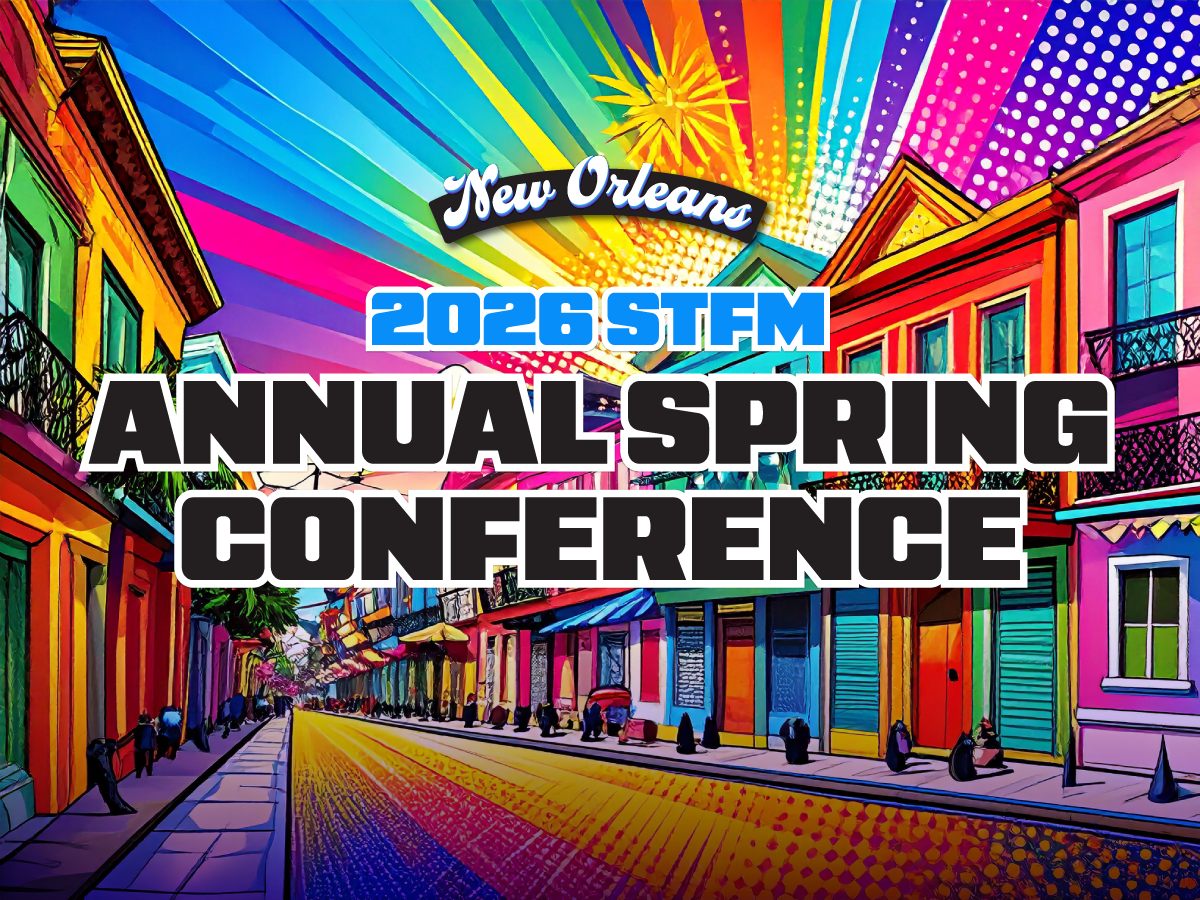
2026 STFM Annual Spring Conference

Attend the STFM Annual Spring Conference to collaborate and network with approximately 1500 family medicine faculty and other academic leaders. This is the biggest annual STFM conference, held each year since 1976. Attend the 2026 Annual Spring Conference May 2–6 in New Orleans, LA, at the Marriot New Orleans. Registration is now open.

Registration Prices Register Now

Registration Information

Registration for the 2026 STFM Annual Spring Conference is now open. Visit the registration page for more information. The conference will be at the Marriot New Orleans Hotel. Visit our hotel and travel page to reserve your room at our host hotel.Follow the latest conference information using the hashtag #AN26 on social media.

Why You Should Attend the STFM Annual Spring Conference

Stay at the Forefront of Family Medicine Education Innovation

The STFM Annual Spring Conference is where new ideas, teaching methodologies, and educational research in family medicine are presented. Attendees gain early access to cutting-edge tools, curriculum innovations, and best practices in medical education.

Professional Development and Skill Building

With workshops, seminars, and hands-on sessions, the conference offers educators the chance to sharpen teaching skills, improve leadership competencies, and explore topics like curriculum design, assessment, and faculty development.

Networking With National Leaders and Peers

The event brings together more than 1000 educators, program directors, researchers, and residents. It’s a prime opportunity to build professional relationships, explore collaborations, and join communities of practice that can support your career year-round.

Present Your Work and Gain Recognition

Educators can share their research, curricular innovations, or educational projects through presentations and posters, gaining valuable feedback while contributing to the advancement of family medicine education.

Support and Strengthen the Future of Family Medicine

Attendees actively shape the future of the specialty—whether by influencing national discussions, mentoring emerging faculty, or advocating for educational standards that strengthen primary care.

Reignite Passion and Purpose

Amid the challenges of academic medicine, the conference provides a rejuvenating environment to reconnect with the mission of family medicine, find inspiration in others’ stories, and return home energized and equipped to lead change.

Featured General Sessions

3
May
BLANCHARD LECTURE

Kevin Bennett, PhD

South Carolina Center for Rural & Primary Healthcare

"The Primacy of Primary Care—How Rural Can Lead the Way"

Dr Bennett will discuss how rural healthcare, and primary care in particular, has evolved over the years, and how rural communities have adapted in response. Innovative delivery models, workforce, and other solutions will be discussed, particularly in the context of the current policy environment. Opportunities for rural primary care to pave the way for new models of care will be discussed as a springboard for future work.

LEARN MORE ABOUT THE SESSION
4
May
GENERAL SESSION

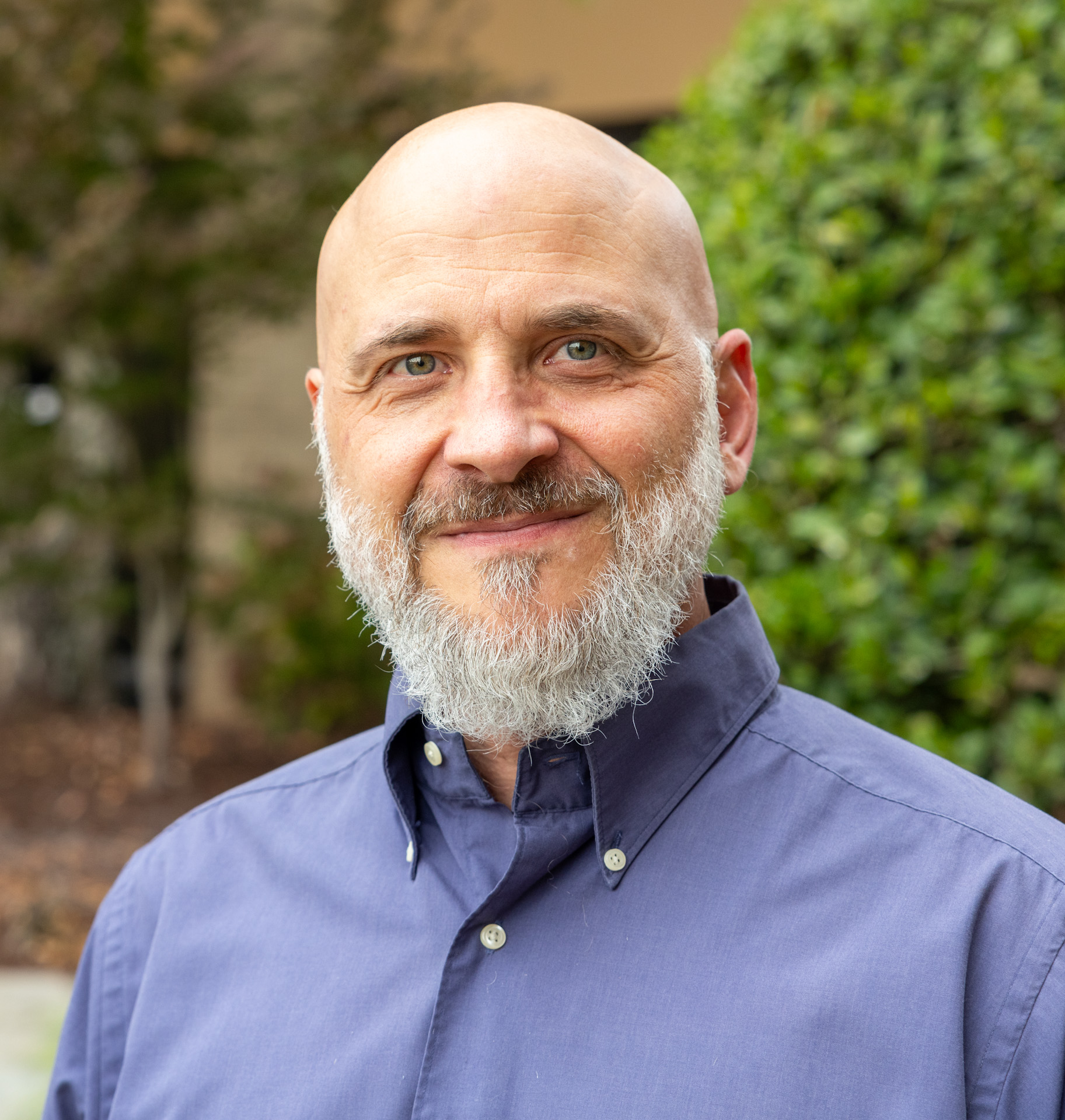
Raven Solomon

Future-Ready Inclusion™

"Closing the Generational Gap—Unify Generations to Build Future-Ready Teams and Organizations"

For the first time in history, up to five generations are working side by side in the workplace. This unprecedented diversity can lead to friction, miscommunication, and productivity stalls, setting the stage for potentially harmful work environments. When generational differences are not just understood but actively leveraged, they become a powerful tool for driving higher performance, employee satisfaction, and creating future-ready workplaces. This engaging program captivates participants of all ages as it explores both the differences and similarities across the various generations in the workforce. It will demonstrate how these insights are not only relevant but essential for building resilient, future-ready organizations. Attendees will learn how to foster a workplace culture that embraces these generational nuances to fuel innovation and collaboration.

LEARN MORE ABOUT THE SESSION

6
May
GENERAL SESSION

Erin P. Fraher, PhD, MPP

University of North Carolina

"Physician Careers from Entry to Exit: Shaping Primary Care Workforce Policy Through a Life Course Lens"

Physician shortages are plaguing hospitals, long-term care facilities, mental health organizations and primary care practices. The COVID-19 pandemic exposed the fragility of our health workforce ecosystem and underscored how little we understand about the factors influencing physicians’ practice behaviors, especially mid- to late-career transitions. Past research on physicians’ career transitions, including the decision to practice in rural communities, reduce hours worked or leave the workforce entirely has demonstrated the importance of age and gender. However, little is known about how male and female physicians in different generational cohorts are influenced by changing social norms, the rapidly changing medical practice context and external shocks like the pandemic. This presentation will explore the contributions of life course theory to improving our understanding of physician careers. Using a unique dataset of North Carolina physicians, we will examine how the interplay of a physician’s age, gender, and generational cohort can influence decisions to temporarily exit practice and retire.

LEARN MORE ABOUT THE SESSION

Poetry and Prose Contest

Entries are open for the 2026 Poetry & Prose Contest. The theme is "The Waiting Room". To be entered into the contest, complete and send this cover sheet and your entry as Word or PDF file to enitcher@stfm.org by February 16, 2026.

Winning Prizes and Displays: First and second place will be awarded for each category. The first- and the second-place prize in each category is $50 each.Winning pieces will be on display at the STFM Annual Spring Conference and awardees will have the opportunity to read their works at the Annual Poetry and Prose Reading. A congratulatory letter will be sent to their chair and/or dean. You do not need to be a member of STFM to submit.Winners to be announced prior to the Annual Spring Conference.Learn more about the entry categories on the Poetry & Prose page.

Questions?

If you have questions about this conference, contact Kim Sevedge at (800) 274-7928 or the email link below.

EMAIL QUESTIONS
Ask a Question
AI Chatbot Tips

Tips for Using STFM's AI Assistant

STFM's AI Assistant is designed to help you find information and answers about Family Medicine education. While it's a powerful tool, getting the best results depends on how you phrase your questions. Here's how to make the most of your interactions:

1. Avoid Ambiguous Language

Be Clear and Specific: Use precise terms and avoid vague words like "it" or "that" without clear references.

Example:

Instead of: "Can you help me with that?"
Try: "Can you help me update our Family Medicine clerkship curriculum?"
Why this is important: Ambiguous language can confuse the AI, leading to irrelevant or unclear responses. Clear references help the chatbot understand exactly what you're asking.

2. Use Specific Terms

Identify the Subject Clearly: Clearly state the subject or area you need information about.

Example:

Instead of: "What resources does STFM provide?"
Try: "I'm a new program coordinator for a Family Medicine clerkship. What STFM resources are available to help me design or update clerkship curricula?"
Why this is better: Providing details about your role ("program coordinator") and your goal ("design or update clerkship curricula") gives the chatbot enough context to offer more targeted information.

3. Don't Assume the AI Knows Everything

Provide Necessary Details:The STFM AI Assistant has been trained on STFM's business and resources. The AI can only use the information you provide or that it has been trained on.

Example:

Instead of: "How can I improve my program?"
Try: "As a program coordinator for a Family Medicine clerkship, what resources does STFM provide to help me improve student engagement and learning outcomes?"
Why this is important: Including relevant details helps the AI understand your specific situation, leading to more accurate and useful responses.

4. Reset if You Change Topics

Clear Chat History When Switching Topics:

If you move to a completely new topic and the chatbot doesn't recognize the change, click the Clear Chat History button and restate your question.
Note: Clearing your chat history removes all previous context from the chatbot's memory.
Why this is important: Resetting ensures the AI does not carry over irrelevant information, which could lead to confusion or inaccurate answers.

5. Provide Enough Context

Include Background Information: The more context you provide, the better the chatbot can understand and respond to your question.

Example:

Instead of: "What are the best practices?"
Try: "In the context of Family Medicine education, what are the best practices for integrating clinical simulations into the curriculum?"
Why this is important: Specific goals, constraints, or preferences allow the AI to tailor its responses to your unique needs.

6. Ask One Question at a Time

Break Down Complex Queries: If you have multiple questions, ask them separately.

Example:

Instead of: "What are the requirements for faculty development, how do I register for conferences, and what grants are available?"
Try: Start with "What are the faculty development requirements for Family Medicine educators?" Then follow up with your other questions after receiving the response.
Why this is important: This approach ensures each question gets full attention and a complete answer.

Examples of Good vs. Bad Prompts

Bad Prompt

"What type of membership is best for me?"

Why it's bad: The AI Chat Assistant has no information about your background or needs.

Good Prompt

"I'm the chair of the Department of Family Medicine at a major university, and I plan to retire next year. I'd like to stay involved with Family Medicine education. What type of membership is best for me?"

Why it's good: The AI Chat Assistant knows your role, your future plans, and your interest in staying involved, enabling it to provide more relevant advice.

Double Check Important Information

While the AI Chat Assistant is a helpful tool, it can still produce inaccurate or incomplete responses. Always verify critical information with reliable sources or colleagues before taking action.

Technical Limitations

The Chat Assistant:

  • Cannot access external websites or open links
  • Cannot process or view images
  • Cannot make changes to STFM systems or process transactions
  • Cannot access real-time information (like your STFM Member Profile information)

STFM AI Assistant
Disclaimer: The STFM Assistant can make mistakes. Check important information.