Board Candidates

STFM bylaws require an affirmation of the membership for STFM officers. Find a list of the new candidates for the STFM Board of Directors. Each member (other than Honorary Members) in good standing shall be entitled to one vote on each matter submitted to a vote of the members.

STFM bylaws require an affirmation of the membership for STFM officers. The Nominations Committee considers many factors when selecting candidates, including: 1) specific perspectives and expertise desired for optimal Board performance, such as, leadership experience, critical thinking, and vision, 2) unique expertise of the individual, 3) a commitment to represent the interests of STFM and its membership over personal interests, 4) history of STFM involvement, and 5) diversity in a broad sense—gender, age, degree, race, ethnicity, role, geography, etc.Over a series of several meetings, the Nominations Committee reviews the applications of those who self-nominate this year, others who have self-nominated in the past 3 years, individuals who fit the perspectives most needed on the board in a particular year, as well as names/applications maintained on a roster of potential future leaders. Per the STFM bylaws, the Nominations Committee recommends to the membership a slate of candidates for the open Board positions, and the bylaws require a membership affirmation of the slate.View the candidate materials below to help you get to know the individuals who are being asked to serve on the STFM Board of Directors. Information on how to become involved in STFM Leadership is also included below.Each member (other than Honorary Members) in good standing shall be entitled to one vote on each matter submitted to a vote of the members. Members will receive an email with information about how to approve the slate of candidates on January 12, 2026. Slate approval process will close on January 30, 2026, at 5 pm Central. The new members of the Board of Directors will be announced in the February 2 issue of the STFM Messenger and on the STFM website. For questions, contact Traci Brazelton.

2026–2027 Board Candidate: President-Elect
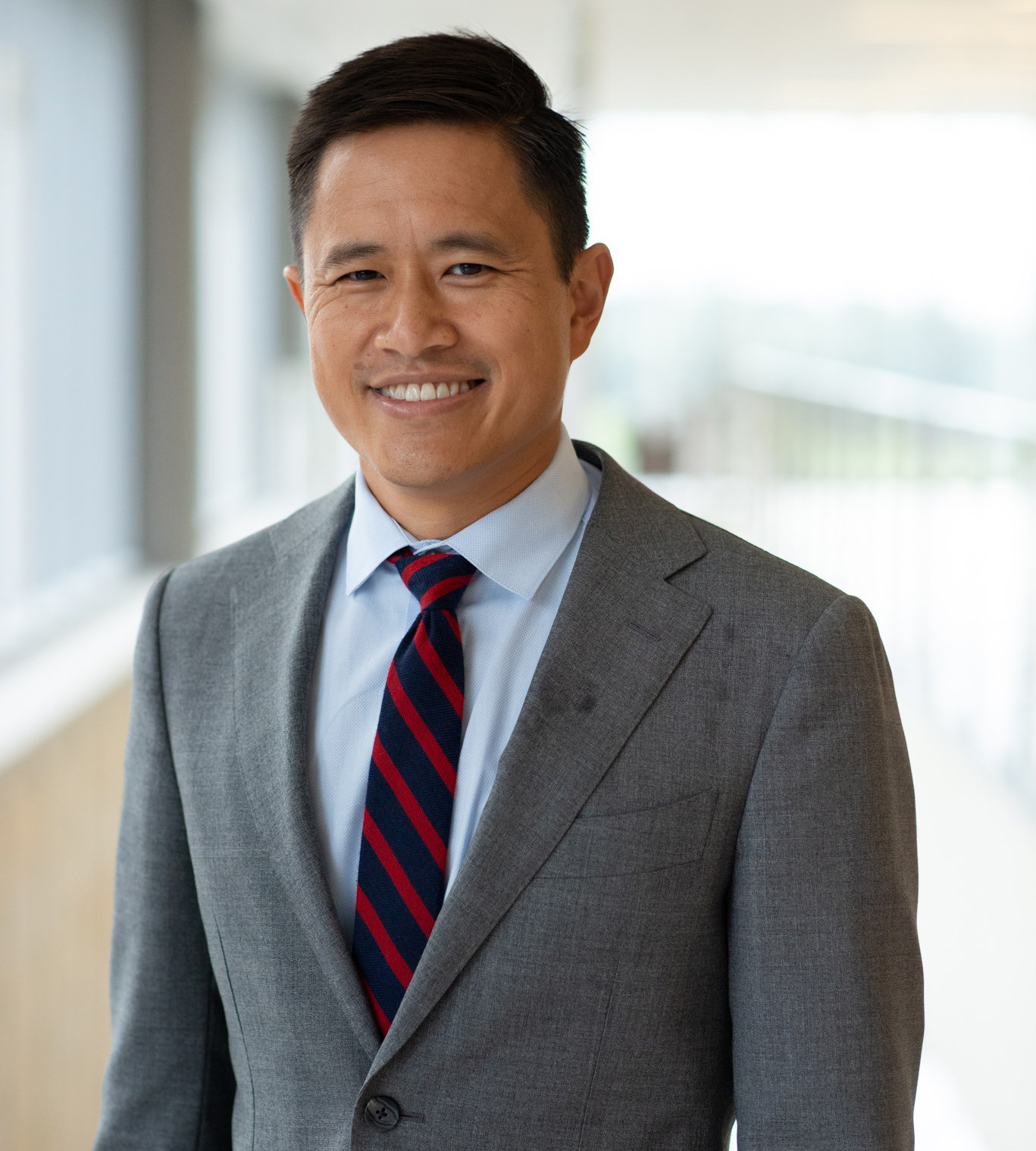
Winston Liaw, MD, MPH, University of Houston

President-Elect Candidate: Winston Liaw, MD, MPH, is a family physician, health services researcher, and the chair of Health Systems and Population Health Sciences at the University of Houston Tilman J. Fertitta Family College of Medicine. His research focuses on the use of artificial intelligence (AI) in primary care and assessing and addressing unmet social needs within primary care settings.Prior to joining the University of Houston, he was a researcher at the University of Texas Health Science Center at Houston and was the medical director at the Robert Graham Center, a primary care policy research institute affiliated with the American Academy of Family Physicians. He also served as residency faculty at the Virginia Commonwealth University, Fairfax Family Medicine Residency Program.Dr Liaw received a BA degree from Rice University, an MD from Baylor College of Medicine, an MPH from the Harvard School of Public Health, family medicine residency training from Virginia Commonwealth University, and health policy fellowship training from the Robert Graham Center. Professionally, he has served on the boards of the North American Primary Care Research Group (NAPCRG) along with STFM. He served as the chair of the NAPCRG Research Advocacy Committee and the Academic Family Medicine Advocacy Committee and is currently a member of the PRiMER Editorial Board and STFM Artificial Intelligence in Medical Education Task Force.He is an educator at heart, loves teaching, and is always looking for ways to connect with his students and patients. Outside of work, he is a father to two amazing daughters, a husband, a music lover (ask him about his favorite bands at Austin City Limits), and a sports fan (ask him about how he tore his Achilles tendon).

STFM President-Elect Candidate Winston Liaw's Answers to Candidate Questions

What actions does STFM need to take to move STFM toward the goal of being the indispensable professional home for all family medicine educators?

To make STFM the indispensable professional home for all family medicine educators, we must acknowledge that education and practice are rapidly changing. Because of technology, our pedagogy, roles, and tools are evolving. When I started practicing, I hand-wrote medication refills on a prescription pad, a relic of the past foreign to most students. Procedures once limited to other physicians, like ultrasounds, are now part of everyday primary care for some. We must not only adapt to these shifts but also anticipate and shape the future of practice.To do so, we must create personalized educational experiences that help learners achieve competencies and meet educators where they are. For educators in rural clinics, academic health centers, and virtual classrooms, we must continue to challenge the status quo by creating tools to address today’s most pressing challenges and providing our members with opportunities to learn from each other.I chose family medicine because of educators who inspired me. I remember hearing a talk during college from a family physician about the importance of primary care, seeing my medical school professors care for communities in rural Honduras, and witnessing residency faculty role model what it means to take responsibility for their patients. Those seminal moments shaped my career and serve as constant reminders that building the primary care workforce is one of the most important jobs in the country.Finally, to make STFM a home for all, we must keep our tent big, by fostering a culture of belonging. Our strength comes from bringing together people with different experiences and perspectives to serve all patients. By promoting inclusion, we can ensure that every educator feels valued and equipped to help their communities. In short, our challenge is to adapt boldly without losing our humanity and core values. I believe STFM is poised to lead that charge.

Choose one or two key challenges you anticipate that STFM will face in the next 3 years and describe a potential course of action to address each challenge.

Over the next 3 years, I see two key challenges for STFM: protecting our ability to teach evidence-based practice and navigating the rise of artificial intelligence (AI) while safeguarding human connection.Intellectual independence: As misinformation spreads and policy continues to shape the practice of medicine, educators must adapt and keep our focus on evidence-based practice. To help us thrive in this era, STFM can lead by both supporting intellectual independence and helping faculty modify their approach to ensure that all learners are exposed to core, family medicine principles.Artificial intelligence: While technology is transforming the practice of medicine and education, it must not erode the relationships with patients, learners, and colleagues that bring us joy and meaning. As AI becomes integrated into our classrooms and clinics, STFM can help members, by developing best practices, testing educational tools, and disseminating training resources that emphasize the responsible, human-centered use of technology. Our goal should not be to resist innovation but rather ensure that it enhances trust, collaboration, and compassion. Because of our understanding of primary care and what patients value most, family medicine educators are uniquely positioned to contribute to this revolution. While I do not know how we will address these challenges, I know that we can come up with comprehensive solutions together. Through surveys, townhalls, and interviews, I will seek to understand how these issues are affecting our membership and determine what actions we can take to make us more effective educators.

Share your experience at bringing people together with diverse agendas and finding common ground.

Safety is important for candor, so it is critical that STFM continues to be a space where everyone feels free to speak and challenge ideas. We need to hear and learn from what you are experiencing in your clinics, classrooms, and communities. You know what works best for your institutions and learners.In my clinical role, I have similarly learned the most from my patients about working together. From these experiences, I have observed that there’s always common ground and have come to prioritize relationships over process and outcomes. While this approach does not always result in the most direct path, it ultimately leads to a success that is shared, enduring, and sustainable. On the boards of STFM and NAPCRG, I’ve seen firsthand how diversity of thought strengthens our organizations. In particular, I’m proud of my work as the Chair of the Academic Family Medicine Advocacy Committee. In this role, I brought together leaders from STFM, NAPCRG, Association of Departments of Family Medicine (ADFM), Association of Family Medicine Residency Directors (AFMRD), American Academy of Family Physicians (AAFP), and American Board of Family Medicine (ABFM) to harmonize our stances on policies that affect academic family medicine. We do not always start from the same place, but when we listen deeply and focus on our shared mission, we are able to move forward together.In my role as a department chair, I support faculty and staff who have a wide range of needs. To ensure that we are all moving in the same direction, I seek to understand their unique perspectives and navigate differences with humility, curiosity, and a focus on the collective good. Most recently, I led the development of the STFM and ABFM AI curriculum, which brought together clinicians, educators, ethicists, and computer scientists. Each had their own idea of what AI in family medicine should look like. To succeed, I used a similar approach, and ultimately we were able to create a shared vision.

2026–2027 Board Candidate: Member-at-Large
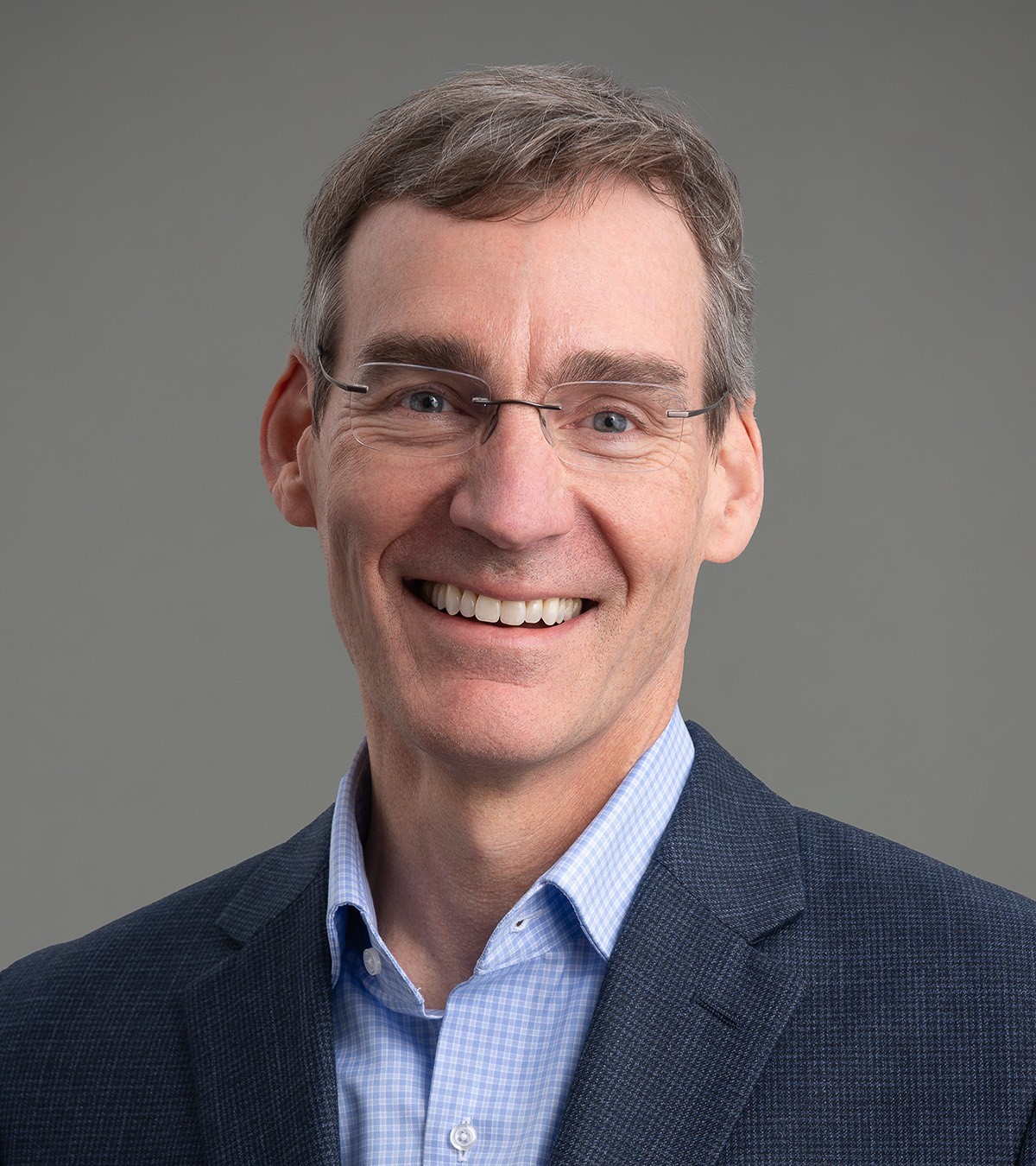
David Rakel, MD, University of Wisconsin

Member-at-Large Candidate: David Rakel, MD, is professor and chair of the University of Wisconsin Department of Family Medicine and Community Health. Dr Rakel joined DFMCH faculty in 2001. He founded the integrative health program (now known as the Osher Center for Integrative Health at University of Wisconsin-Madison) and received the Gold Foundation’s Leonard Tow Humanism in Medicine Award, the school’s highest honor for excellence and compassion in care. His team worked with more than 50 clinical systems within the Veterans Health Administration to implement changes to make care more personalized, proactive, and patient driven which is referred to as Whole Health, now endorsed by the National Academies of Science, Engineering and Medicine.In 2016, Dr Rakel became professor and chair of the Department of Family & Community Medicine at the University of New Mexico. He returned to UW-Madison in 2021. An author of both academic and popular writings, one of Dr Rakel’s missions is to communicate medical information in a way that is accessible to people of all backgrounds.He has published eleven books, including the Textbook of Family Medicine, Current Therapy, and Integrative Medicine, as well as peer-reviewed research on the impact of measures such as mindfulness meditation and the power of the therapeutic encounter. His 2018 book The Compassionate Connection focuses on how compassionate relationships can influence health outcomes. All profits from this book go to supporting family medicine education.

STFM Member-at-Large Candidate David Rakel's Answers to Candidate Questions

What actions does STFM need to take to move STFM toward the goal of being the indispensable professional home for all family medicine educators?

Congratulations! STFM is already the indispensable professional home for family medicine. For family medicine to stay relevant, STFM will need to 1) navigate the potential erosion of relationship-centered care, 2) define the optimal interprofessional primary care team that matches the needs of a community, and 3) show how these teams can add value by reducing reactive disease spending. This will require that we create a better balance between treating disease (pathogenesis) and finding health (salutogenesis). STFM will teach towards the outcomes we want most, which is to empower self-healing mechanisms to reduce the need for polypharmacy, multiple interventions, referrals, and emergency visits. STFM will be the leader in designing this salutogenic education as we continue to manage disease.

Choose one or two key challenges you anticipate that STFM will face in the next 3 years and describe a potential course of action to address each challenge.

Artificial Intelligence is expanding quickly and STFM will have to adapt. If used correctly, AI will have the potential to fill many gaps that burden family medicine. Author John Nasibitt said, “The most exciting breakthroughs of the 21st century will not occur because of technology, but because of an expanding concept of what it means to be human.” Computers will do the programmable things. This will not only allow for primary care teams to support a community’s health more locally, but it will give humans more time to be human together. This is the foundation of building trust and reducing fear, two key ingredients in improving health outcomes and reducing cost. STFM will need to educate on how this can be done optimally.Another challenge will be the importance of not only supporting the education of the individual but also primary care teams. Family medicine is a team sport and STFM will help figure out what professionals make up the ideal primary care team for the optimal return on investment. And how can we best educate the whole team towards managing health goals for specific populations? Innovative business models have fewer physicians who direct care plans and more relationship focused coaches and guides to support behavior change. What is ideal?

Share your experience at bringing people together with diverse agendas and finding common ground.

I have spent most of my career studying how complex systems heal. It is quite humbling. But I have learned a few things. The first step is to become familiar with our own conditioning, culture and beliefs. Once we understand ourselves, we can then sit in front of another person with the intent of listening deeply without judgement to who they are, their culture, and beliefs. This is done with complete acceptance to explore their needs and how they want to be seen. Then, when ready, we can direct our expertise, training and humanism towards their best outcome. This compassionate approach fuels meaning for both parties and if done correctly, in this order, a common ground is created where both are transformed. Health equity is not something we add on, but the foundation of our work. Most of what I have learned sitting with people in exam rooms as their family physician also works in leadership and bringing people together.

How Can Members Learn About STFM Governance and Leadership Opportunities?

While there is no single pathway for selection for the STFM Board of Directors, generally, involvement in other leadership roles within the Society (previous Board service in a different role, committee chair, collaborative leader, task force participant, etc) is the most common way that individuals are selected for Board service. The Nominations Committee considers many factors when selecting candidates, including current diversity on the STFM Board of Directors, level of leadership activity within STFM, current strategic priorities of the Board, and the talents and perspectives of the individuals being considered.In addition, one of STFM’s core values is diversity, and we are intentional in being diverse about the composition of our governance structures in the broadest sense. To learn more about STFM Governance, watch the How to Become an STFM Leader video, and review a list of leadership opportunities within STFM.