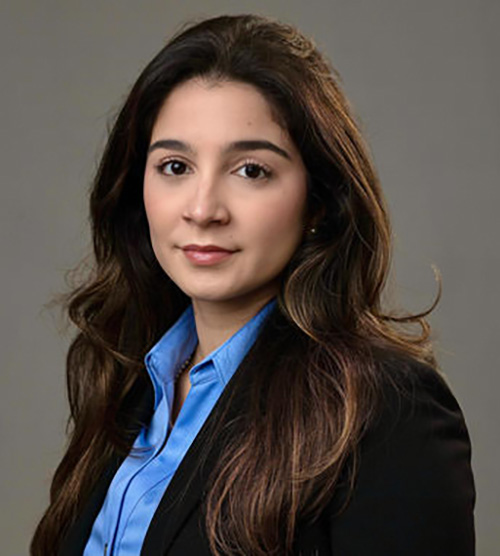
Tatiana Torres Costa Lino, MD
Tatiana Torres Costa Lino, MD, is a resident at the University of Arkansas for Medical Sciences Little Rock FMR Program. She is a 2026 recipient of a STFM Foundation Faculty for Tomorrow Resident Scholarship.
Dr Lino's Family Medicine Story
Why are you interested in teaching family medicine?
Dr Lino: My passion for teaching began long before medical school, when I would help friends excel in subjects I understood well. That natural inclination evolved during medical school, where I held two teaching positions. As a family medicine physician in Brazil, before starting my journey in the US, I regularly welcomed students to learn alongside me. I have always believed that mentorship and teaching are the foundation for producing better learners, stronger physicians, and a brighter future for our specialty.
During my residency at the University of Arkansas for Medical Sciences (UAMS), that passion has grown exponentially. I have actively sought opportunities to teach, mentor, and inspire medical students. In my first year, I joined the wellness committee to strengthen morale and support resident growth, understanding that a thriving learning environment is essential for development and growth. In my second year, I honed my teaching and recruitment skills by completing the Family Medicine Champion course through the AAFP. Now, as a third-year and chief resident, I was honored to receive the AAFP Family Medicine Leads scholarship to attend FUTURE, where I could put my learning into practice, actively recruit medical students to family medicine, showcase our program’s culture, and mentor learners during their rotations.
Recently, beyond residency duties, I volunteer after hours in a student-led clinic to practice preceptorship, reinforcing my commitment to hands-on teaching. These experiences have shown me that teaching is a two-way street: educating others makes me a better resident, a stronger physician, and a more effective mentor. Teaching family medicine allows me to integrate clinical expertise, leadership experience, and mentorship to cultivate compassionate, skilled, and motivated physicians. I am driven by the opportunity to guide students in discovering the breadth and impact of family medicine, fostering their growth and helping them envision themselves as capable, confident physicians. After residency, I will continue this commitment as a full-time assistant professor in a family medicine residency program, creating an environment that emphasizes learning, wellness, and professional growth, shaping the next generation of family physicians who are prepared to provide excellent, patient-centered care while advancing the specialty I love.
How do you think you can make a difference in the future of family medicine?
Dr Lino: I believe my impact on the future of family medicine will come from serving as a role model, advocating for the specialty, and creating opportunities for students and residents to experience its full scope. Family medicine thrives when trainees see its value, feel supported in their career choices, and are inspired to become future educators and leaders themselves. I aim to ensure the specialty continues to attract passionate, skilled physicians committed to patient-centered care.
I plan to make a difference by advocating for family medicine at every stage of medical education. Through active engagement with students and residents during rotations and extracurricular programs, I help them understand the depth and diversity of the field, its impact on communities, its preventive role, and the lasting relationships physicians build with patients. By demonstrating the richness of family medicine, I hope to inspire the next generation to pursue careers that combine clinical excellence, advocacy, and leadership. Within residency programs, I aim to foster a culture of mentorship and education. As chief resident, I guide interns and medical students in clinical reasoning, patient care, and professional development. I have contributed to curriculum design and wellness initiatives, showing that teaching and support are inseparable from developing competent, resilient physicians. These experiences have reinforced my belief that modeling excellence, through clinical skill, professionalism, and engagement is one of the most powerful ways to influence the future of the specialty.
Beyond direct teaching, I plan to extend my impact through professional advocacy and visibility for family medicine. By participating in initiatives that highlight the specialty’s value, strengthen recruitment, and create opportunities for development, I hope to help increase the number of physicians choosing family medicine, building a stronger and more sustainable workforce.
Serving as a role model, I aim to inspire students and residents to embrace the specialty’s values, engage in mentorship, and advocate for patients and the field alike. Ultimately, my vision is to bridge clinical practice, education, and advocacy. Through teaching, mentorship, and active engagement in shaping educational opportunities, I hope to cultivate a generation of physicians who are competent, confident, and inspired to advance family medicine. By modeling excellence and providing guidance, I aim to ensure that students and residents not only discover the specialty’s richness but are empowered to thrive within it, leaving a lasting legacy on family medicine.
Contribute to the Creation of the Next STFM Story
Transforming the future of family medicine would not be possible without the generosity of countless STFM members and supporters. Through both member and departmental donations, the STFM Foundation is able to support the pipeline for academic family medicine.
Help transform the future of academic family medicine by donating to the STFM Foundation. If you have questions about the STFM Foundation, contact Mindy Householder at (800) 274-7928 or mhouseholder@stfm.org.