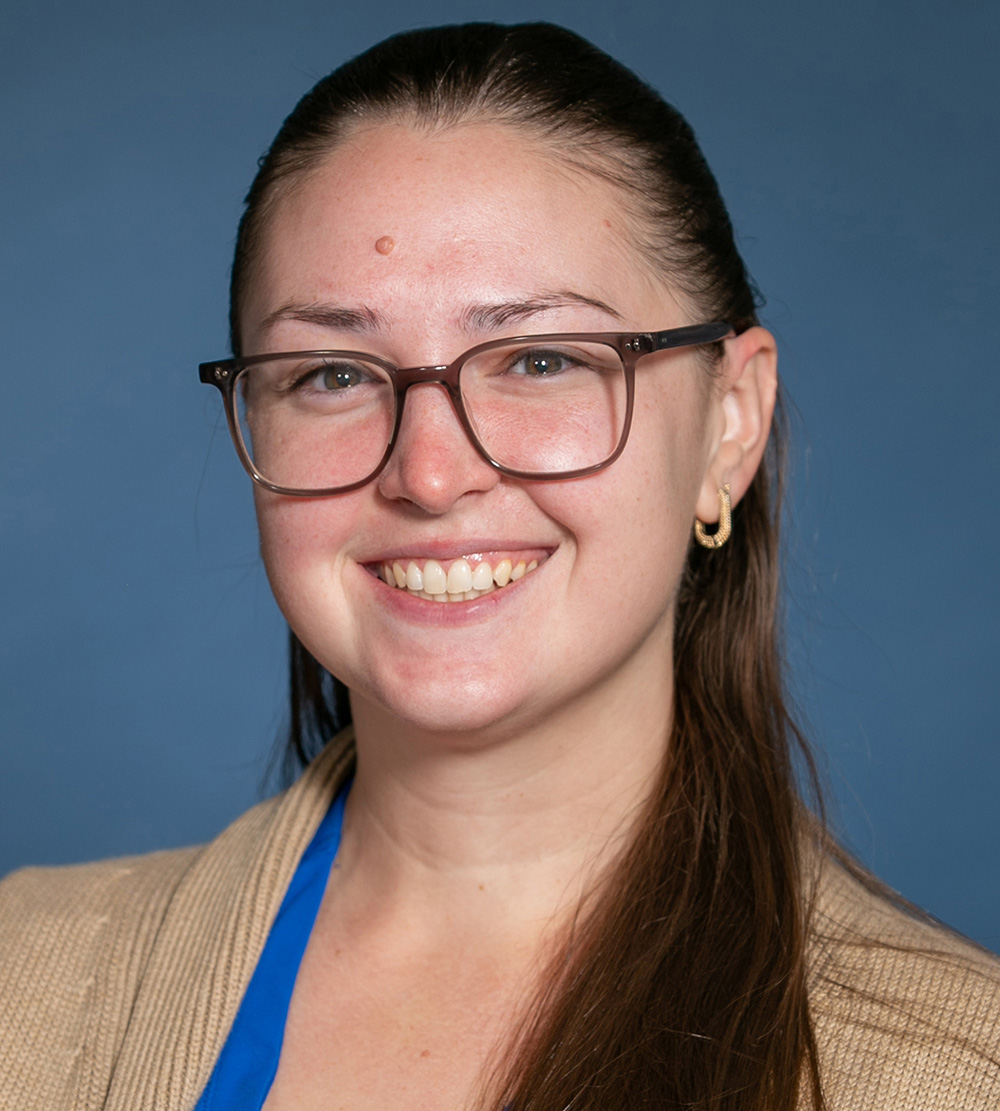
Shannon McCleery, PsyD
Shannon McCleery, PsyD, is a resident at the UMass Chan Medical School (Fitchburg) Primary Care Psychology and Medical Education Fellowship. She is a 2026 recipient of a STFM Foundation Faculty for Tomorrow Resident Scholarship.
Dr McCleery's Family Medicine Story
Why are you interested in teaching family medicine?
Dr McCleery: I am interested in teaching family because of the emphasis on holistic, patient-centered care and the importance it places on building long-lasting relationships with patients. As a psychologist working in primary care, the values of family medicine—comprehensive care, compassion, and community–align with my professional values. Family medicine physicians are uniquely positioned to care for individuals across the lifespan and often serve as a vital bridge between patients and complex systems, including other medical specialties, community resources, and behavioral health. This role is particularly crucial in caring for medically underserved populations, where an understanding of the broader context of a patient’s life is essential to effective care.
As someone who has benefited from training within family medicine residency programs as a graduate student, intern and fellow, I have experienced firsthand the value of integrated behavioral health and interdisciplinary learning. I approach patient care from the perspective of a behavioral health provider, which at times differs from that of a medical provider. Yet, it is this difference that fosters rich collaboration and mutual learning. When providers from multiple disciplines share perspectives, it results in more comprehensive care for patients and deeper understanding and skill-building for trainees across all specialties.
Teaching family medicine residents about behavioral health during my postdoctoral fellowship has solidified my desire to pursue a career as a behavioral science faculty member and director within a family medicine residency. Teaching provides me the opportunity to contribute to the professional development of residents as well as continue to learn and grow as an educator and a clinician. I am tasked with staying up to date with evidence-based practice and challenged to not only understand the newest research but be able to explain said practices and techniques to learners.
Teaching during my fellowship has also provided me with a greater level of satisfaction in my own work and shown me my ability to impact a greater number of patients. When working as a clinician, I am only able to meet with one patient at a time. Working as an educator, teaching gives me the opportunity to provide clinical knowledge and skills to many people, who can then deliver that care to their patients, in the end resulting in more patients receiving good care. In this way, my work as a teacher has a ripple effect, indirectly improving care for patients I will never meet.
How do you think you can make a difference in the future of family medicine?
Dr McCleery: As a psychologist working in primary care, I bring a unique perspective and a diverse skill set to the education and training of family medicine residents. My background equips me with expertise in treating a wide range of behavioral health conditions, navigating complex systems, promoting effective communication, and addressing burnout and provider well-being. These are areas that, while sometimes underemphasized in traditional medical training, are essential to high-quality, patient-centered care. I believe that by integrating these areas into residency education, I can help shape more competent, confident, and compassionate family physicians.
Family medicine providers do not practice in silos. Their work needs collaboration with patients, families, interdisciplinary team members, administrators, and community partners. Communication is at the heart of this work. I can support residents in developing strong, effective communication skills that enable shared decision-making, empathic listening, and productive problem-solving, even in challenging clinical situations. These skills are especially critical when navigating complex patient presentations or emotionally charged encounters. Helping residents develop confidence in their communication can lead to improved patient outcomes, greater provider satisfaction, and fewer avoidable conflicts.
Primary care continues to be the main source of mental health treatment in this country. Family medicine physicians are guaranteed to treat behavioral health problems their patients experience. However, my experience working in residencies has shown me that treating behavioral health problems can induce anxiety and uncertainty in many residents. Working as a behavioral science director gives me the opportunity to share my knowledge and experience of treating behavior and mental health struggles, helping residents improve their competency and see how effective they can be helping their patients with behavioral health concerns. Family medicine physicians who feel competent discussing patient’s mental health and their treatment options are providing a higher quality of health care to their patients.
As a behavioral science faculty member, I am in a position to normalize the challenges of managing behavioral health concerns and provide residents with practice, evidence-based tools they can use. I do not expect family physicians to serve as therapists—but they do need to understand how behavioral health conditions impact physical health and vice versa. When residents feel more competent in these areas, they are more likely to engage in thoughtful assessment, provide appropriate interventions, and collaborate effectively with behavioral health professionals.
Additionally, one of the most impactful contributions I can make is fostering a culture of wellness within the residency. Physician burnout is a serious concern in family medicine. I believe that by teaching residents how to manage stress, set boundaries, and develop resilience, I can help sustain their passion for medicine and reduce the risk of burnout over time.
A behavioral science faculty member impacts many aspects of a family medicine residency and I believe my work within a residency will make valuable contributions to the care family medicine physicians provide to patients as well as their own satisfaction with their work.
Contribute to the Creation of the Next STFM Story
Transforming the future of family medicine would not be possible without the generosity of countless STFM members and supporters. Through both member and departmental donations, the STFM Foundation is able to support the pipeline for academic family medicine.
Help transform the future of academic family medicine by donating to the STFM Foundation. If you have questions about the STFM Foundation, contact Mindy Householder at (800) 274-7928 or mhouseholder@stfm.org.